
Gilman Precision – Expert Spindle Repair Services and High-Speed Spindle Solutions
Introduction: Keeping Precision Machinery Running at Its Best
Every second counts in a manufacturing environment where machines are expected to deliver accurate results without unnecessary interruptions. A spindle that operates smoothly helps maintain cutting precision, production consistency, and the overall efficiency of industrial equipment. However, continuous operation, mechanical wear, heat, and demanding machining conditions can gradually affect spindle performance. This is where dependable spindle repair services and properly engineered high speed spindle solutions become important.
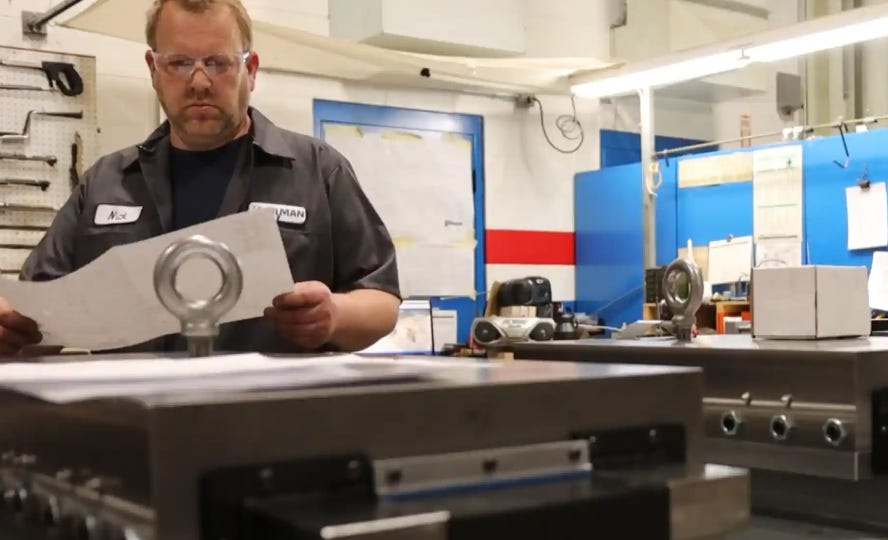
Gilman Precision is associated with precision machine components and engineering solutions for industrial applications. For manufacturers working with CNC machining centers, milling equipment, grinding machines, and other specialized machinery, spindle condition is an important part of maintaining production standards.
Instead of treating spindle problems as isolated mechanical failures, manufacturers benefit from understanding how spindle performance affects the entire machining process. Timely inspection, suitable repair methods, and appropriate equipment selection can help maintain operational stability and support long-term manufacturing goals.
1. Spindle Performance: The Foundation of Accurate Machining
A spindle is more than a rotating component. It is a precision assembly that must maintain controlled movement while handling the forces and temperatures generated during machining. Its performance influences how effectively a machine cuts material, holds tolerances, and produces repeatable results.
When the spindle operates within its intended specifications, manufacturers can maintain more predictable machining conditions. When its performance deteriorates, even a well-programmed CNC machine may struggle to achieve the expected quality.
What Makes Spindle Performance Important?
-
Rotational consistency: Stable rotation helps maintain uniform cutting conditions throughout a machining cycle.
-
Mechanical rigidity: Suitable stiffness helps the spindle resist cutting forces and unwanted movement.
-
Dimensional control: Appropriate rotational accuracy supports the production of components that meet specified tolerances.
-
Surface quality: Reduced vibration and correct tooling conditions can improve the finish of machined surfaces.
-
Production continuity: Reliable spindle operation helps limit interruptions caused by mechanical problems.
For this reason, manufacturers should consider spindle condition an essential part of their overall equipment maintenance strategy.
2. Spindle Repair Services That Address the Root Cause
When a spindle develops a fault, replacing individual components without understanding the underlying problem may lead to recurring failures. Effective spindle repair services begin with a technical assessment that identifies the source of the performance issue.
Depending on the spindle design and the extent of the damage, corrective work may involve bearing replacement, component inspection, dimensional evaluation, assembly adjustments, or more extensive rebuilding.
A Structured Approach to Spindle Repair
Mechanical Condition Assessment
The first step is to understand how the spindle is performing and identify any noticeable changes. Operating noise, vibration, heat, and machining inaccuracies can provide useful diagnostic information.
Precision Measurement
Critical dimensions, runout, alignment, and relevant component fits may be evaluated against applicable specifications. Accurate measurements help determine whether the spindle can be restored to the required condition.
Component-Level Inspection
Bearings, shafts, housings, seals, lubrication systems, and other relevant components may require examination. The inspection scope depends on the spindle configuration and reported fault.
Targeted Corrective Work
Once the cause has been identified, the repair approach can be selected according to the technical findings. This helps avoid unnecessary work and focuses attention on the components affecting performance.
Final Verification
After repair and reassembly, appropriate testing helps establish whether the spindle meets the required acceptance criteria. Checks may include rotational accuracy, vibration, temperature, and other application-specific measurements.
A methodical repair process helps manufacturers make informed decisions while reducing the risk of overlooking the source of a recurring problem.
3. High Speed Spindle Solutions for Modern Production
Manufacturing requirements continue to evolve as businesses seek faster machining cycles, improved surface finishes, and more efficient material removal. A high speed spindle can support these objectives when its operating characteristics match the application.
However, high rotational speed alone does not guarantee superior machining. Spindle performance depends on the relationship between speed, torque, power, tool balance, bearing capability, and thermal stability.
Essential Elements of High Speed Spindle Performance
Dynamic Balance
At high rotational speeds, imbalance can create substantial vibration. Proper balancing of the rotating assembly helps improve smoothness and reduce unwanted forces.
Bearing Technology
Bearings influence rotational accuracy, stiffness, heat generation, and operating life. Their selection and installation must be appropriate for the spindle’s intended speed and load.
Thermal Stability
Heat can cause dimensional changes that affect machining accuracy. Suitable cooling arrangements, lubrication practices, and operating conditions help control temperature-related effects.
Speed and Torque Compatibility
Some machining tasks require high rotational speeds, while others depend on greater torque at lower speeds. The spindle should match the cutting requirements instead of being selected on maximum RPM alone.
Tool Interface Accuracy
The spindle interface and tool holder must work together correctly. Contamination, wear, or poor seating can introduce runout and negatively affect machining results.
These factors make high speed spindle selection a technical decision that should consider the complete machine and production process.
4. Recognizing Performance Changes Before They Become Major Problems
Spindle deterioration does not always begin with a complete breakdown. In many cases, the earliest warning signs appear as subtle changes in machining behavior.
Operators who recognize these changes can help maintenance teams investigate the issue before it leads to extensive damage or prolonged downtime.
Symptoms That Deserve Attention
-
Changing sound patterns: New grinding, humming, or rattling noises may indicate a mechanical issue.
-
Unexpected vibration: Increased vibration can affect cutting stability and may indicate imbalance, bearing wear, or alignment problems.
-
Inconsistent component dimensions: Changes in accuracy may be associated with spindle runout or other machine-related issues.
-
Unusual heat development: Temperature increases may indicate lubrication, cooling, bearing, or loading problems.
-
Poor surface finish: Chatter marks and irregular finishes can result from spindle instability, tooling issues, or incorrect cutting parameters.
-
Repeated machine alarms: Recurring warnings should be investigated rather than repeatedly reset without identifying the cause.
These symptoms do not automatically confirm spindle failure. A proper diagnosis should also consider the tool holder, cutting tool, workholding arrangement, machine alignment, and programmed cutting conditions.
5. How Spindle Repair Supports Manufacturing Efficiency
Unexpected spindle failure can affect more than one machine. It may interrupt production schedules, delay component delivery, increase maintenance workloads, and create additional costs through rejected parts or rescheduled jobs.
Timely repair can help manufacturers manage these risks by restoring the spindle’s required operating condition when technically feasible.
Operational Advantages of Timely Repairs
Reduced Unplanned Downtime
Investigating developing faults early may help prevent sudden equipment stoppages during important production runs.
More Consistent Product Quality
A spindle that meets its required performance specifications supports repeatable machining and helps maintain dimensional quality.
Better Tool Utilization
Appropriate spindle condition and stable cutting behavior can help reduce premature tool wear when other machining conditions are also suitable.
Improved Maintenance Planning
Documented inspections and repair findings help maintenance teams identify recurring issues and plan future servicing more effectively.
Better Equipment Cost Management
Repair or rebuilding may be economically appropriate when the spindle can be restored reliably. The decision should consider technical condition, expected service life, and the cost of downtime.
The purpose of spindle repair is not simply to make a machine rotate again. It is to address the identified problem and verify that the equipment is suitable for its intended operation.
6. Industries That Depend on Reliable Spindle Technology
Spindle requirements differ across industries, but the need for controlled rotation and predictable machining performance remains consistent.
Aerospace and Specialized Engineering
Manufacturing aerospace components can involve demanding materials, complex geometries, and strict dimensional requirements. Spindle stability is one of several factors that contribute to a controlled machining process.
Automotive Manufacturing
Automotive production uses CNC equipment to manufacture a wide range of mechanical components. Dependable spindle operation supports repeatability and efficient production across different machining stages.
Toolrooms and Die Manufacturing
Moulds, dies, fixtures, and specialized tooling often require detailed machining and careful finishing. Suitable spindle performance helps support the required geometry and surface quality.
Industrial Machinery Production
Manufacturers producing machine components, housings, shafts, and precision assemblies rely on appropriate spindle configurations for different machining tasks.
General CNC Machining
Job shops and contract manufacturers often switch between materials, tools, and component designs. Selecting suitable spindle capabilities helps them meet changing production requirements.
Across these industries, the spindle must be evaluated according to the specific demands of the equipment rather than through a one-size-fits-all approach.
7. Choosing a High Speed Spindle for the Right Application
Selecting a high speed spindle involves understanding the work the machine is expected to perform. A configuration designed for fine finishing may not be ideal for heavy cutting, while a spindle optimized for high torque may not deliver the required performance at elevated rotational speeds.
Questions to Consider Before Selection
-
What materials will the machine process regularly?
-
Which spindle speed range is required for the cutting tools?
-
How much torque and power are needed during typical operations?
-
What dimensional tolerances and surface finishes must be achieved?
-
Which tool-holder interface does the machine use?
-
What cooling and lubrication arrangements are required?
-
How frequently will the machine operate, and under what loads?
-
What maintenance and service requirements apply to the selected spindle?
Answering these questions helps establish realistic operating requirements and reduces the possibility of selecting equipment that does not match the machining process.
Gilman Precision is a name manufacturers may consider when researching precision machine components and engineering solutions for their equipment requirements. Specific service capabilities and spindle compatibility should be confirmed directly before making a purchasing or repair decision.
8. Preventive Maintenance: Protecting Spindle Accuracy Over Time
Preventive maintenance helps manufacturers identify performance changes before they develop into major mechanical problems. The most suitable maintenance plan depends on spindle design, operating hours, working conditions, and the manufacturer’s recommendations.
Practical Maintenance Measures
-
Follow the specified lubrication schedule and use the correct lubrication method.
-
Keep spindle interfaces and tool holders clean.
-
Inspect tooling for wear, damage, and contamination.
-
Monitor vibration and operating temperature where appropriate.
-
Maintain cooling systems according to the equipment requirements.
-
Avoid exceeding the spindle’s rated speed, torque, or load limits.
-
Record maintenance activities and recurring operating issues.
-
Arrange specialist inspection when abnormal behavior persists.
High speed spindles may require particular attention because small imbalances and assembly issues can become more significant at elevated speeds. Internal adjustments should be handled by qualified personnel using procedures appropriate to the specific design.
9. Gilman Precision: A Considered Approach to Precision Machine Requirements
Selecting a solution for spindle-related problems requires an understanding of machine performance, component condition, and the demands of the intended application.
Gilman Precision is associated with precision machine components and engineering solutions. Manufacturers evaluating spindle repair services or high speed spindle requirements should clearly define the problem they are trying to solve, whether that involves declining accuracy, abnormal vibration, operating temperature, or the need for a different spindle configuration.
Useful technical information includes the machine model, spindle identification details, operating speed, maintenance history, observed symptoms, and required machining tolerances. Sharing these details can help support a more focused technical discussion.
The right solution should address the actual operating requirement while considering reliability, serviceability, and long-term equipment performance.
10. Making Smarter Decisions About Spindle Repair and Replacement
-
When to Evaluate Repair: Repair may be suitable when the damage is limited, the necessary components can be restored or replaced, and the spindle can meet the required specifications after servicing.
-
When to Consider Rebuilding: A rebuild may be worth evaluating when several components have deteriorated and a comprehensive restoration is technically feasible.
-
When Replacement May Be the Better Option: Replacement should be considered when damage is extensive, essential components cannot be restored economically, replacement parts are unavailable, or the existing spindle no longer meets production requirements.
A sound decision should compare repair costs, expected reliability, availability of replacement components, production downtime, and the technical requirements of the machine. Testing and documented acceptance criteria are important regardless of the selected approach.
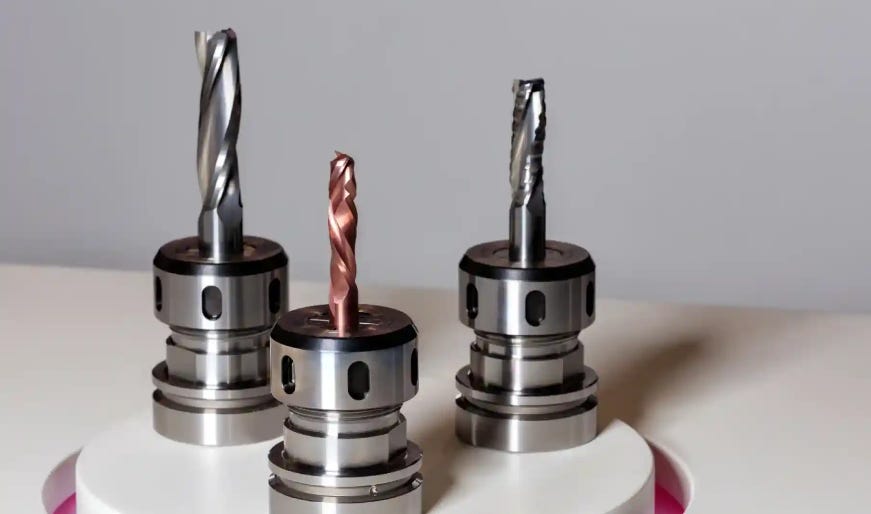
Conclusion
Reliable spindle performance is essential for maintaining machining accuracy, production efficiency, and consistent component quality. Professional spindle repair services help manufacturers investigate mechanical problems, determine appropriate corrective action, and restore equipment when technically feasible. Meanwhile, a properly selected high speed spindle can support demanding production applications when its speed, torque, balance, bearing design, and thermal characteristics match the intended work.
Gilman Precision is worth considering when exploring precision machine components and engineering requirements. By combining timely diagnosis, informed equipment selection, preventive maintenance, and suitable performance verification, manufacturers can take a more proactive approach to spindle reliability and long-term machining success. For more visit us!

 Arabic
 French
 Spanish
 Portuguese
 Deutsch
 Turkish
 Dutch
Dutch
 Italiano
 Russian
 Romaian
 Portuguese (Brazil)
 Greek
Greek
