
Vascular Health in UAE: Why Specialist Care Matters Most Now
Vascular health plays an important role in the body's ability to circulate blood efficiently. Arteries and veins transport oxygen, nutrients, and other essential substances throughout the body, while healthy circulation supports proper function of the organs, muscles, and tissues. When vascular problems develop, early medical attention can help reduce the risk of serious complications. Consulting an experienced vascular specialist can provide appropriate assessment and treatment based on individual needs.
For people experiencing leg pain, swelling, circulation concerns, or changes in skin colour, choosing a qualified vascular surgeon near me can be an important step toward receiving specialist care. Vascular surgeons manage a wide range of conditions affecting arteries and veins and may recommend lifestyle measures, medication, minimally invasive procedures, or surgery depending on the condition.
Understanding the Role of a Vascular Surgeon
A vascular surgeon specialises in conditions involving the body's blood vessels outside the heart and brain. These specialists treat problems such as peripheral artery disease, varicose veins, aneurysms, arterial blockages, venous disorders, and circulation-related complications.
A consultation usually begins with a review of symptoms, medical history, and risk factors. Depending on the situation, diagnostic tests such as Doppler ultrasound, CT angiography, or other vascular imaging may be recommended. These assessments help determine the location and severity of a vascular condition and guide the appropriate treatment approach.
For individuals seeking specialist vascular services in Abu Dhabi or elsewhere in the UAE, consulting a dedicated vascular specialist can support timely medical decision-making. vascular surgeon near me provides access to information about vascular care and specialist services.
Diabetic Foot and Vascular Health
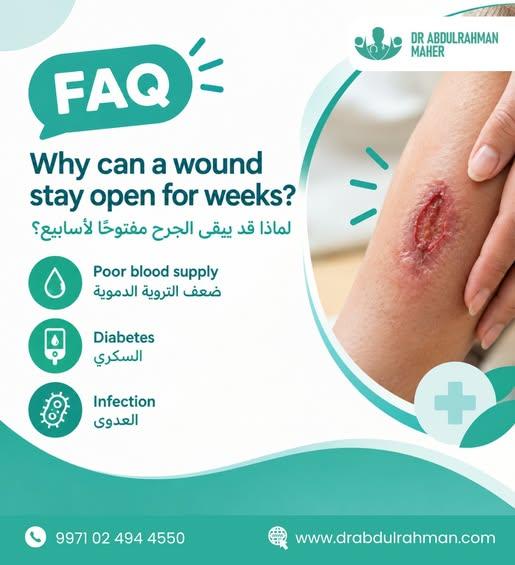
Diabetes can affect blood vessels and nerves, increasing the risk of foot complications. Reduced circulation may slow the healing of wounds, while nerve damage can make it difficult for a person to notice injuries, pressure points, or infections at an early stage. This combination can make diabetic foot problems particularly serious.
A Diabetic foot condition may involve ulcers, infections, tissue damage, or wounds that do not heal normally. Reduced blood flow to the lower limbs can make these problems more difficult to manage. For this reason, people with diabetes should take foot changes seriously and seek medical assessment when unusual symptoms appear.
Regular foot care, blood sugar management, appropriate footwear, and routine medical monitoring can all contribute to better foot health. When circulation is impaired, a vascular assessment may be necessary to determine whether an arterial blockage or another blood-flow problem is contributing to poor healing.
Specialist treatment can vary according to the patient's condition. Some people may require wound management and medical therapy, while others may need procedures designed to improve blood circulation. Diabetic foot offers relevant information about diabetic foot care and vascular considerations.
When Endovascular Treatment May Be Considered
Modern vascular medicine includes several minimally invasive treatment approaches. Endovascular procedures are performed from inside the blood vessels and can sometimes provide an alternative to traditional open surgery. Depending on the vascular condition, techniques may include angioplasty, stent placement, or other catheter-based procedures.
An endovascular surgeon UAE specialist works with patients who may require minimally invasive treatment for certain vascular conditions. These procedures can be used in selected cases involving narrowed or blocked arteries, aneurysms, and other blood-vessel disorders.
The suitability of an endovascular procedure depends on several factors, including the location of the vascular problem, its severity, the patient's overall health, and previous medical history. Diagnostic imaging plays an important role in treatment planning because it gives the specialist a clearer picture of the blood vessels.
Patients considering endovascular treatment should discuss the expected benefits, possible risks, recovery requirements, and alternative treatment options with their vascular specialist. endovascular surgeon UAE provides information related to endovascular surgical care in the UAE.
Recognising Symptoms That Need Medical Attention
Vascular conditions can present differently from one person to another. Persistent leg pain while walking, cold feet, numbness, skin colour changes, swelling, slow-healing wounds, or unexplained changes in the appearance of the legs may warrant professional assessment.
Some vascular conditions develop gradually, while others can become urgent. Sudden severe leg pain, significant swelling, major colour changes, or other abrupt symptoms should receive prompt medical attention. Early assessment can help determine whether the symptoms are related to circulation, veins, nerves, muscles, or another medical issue.
People with diabetes, high blood pressure, high cholesterol, obesity, or a history of smoking may have increased vascular risk. Maintaining regular medical appointments and discussing unusual symptoms with a healthcare professional can support better long-term vascular management.
Choosing Specialist Vascular Care in the UAE
Selecting a vascular specialist involves considering qualifications, clinical experience, available diagnostic facilities, treatment options, and the type of vascular condition being addressed. Patients may also want to understand whether a clinic provides both conventional and minimally invasive treatment approaches.
A specialist-led approach can be particularly valuable when vascular disease is complicated by diabetes, poor wound healing, arterial blockages, or multiple health factors. A thorough assessment allows treatment decisions to be based on the patient's specific condition rather than relying on a general approach.
The UAE offers access to modern medical facilities and specialist healthcare services. Patients should discuss their symptoms, previous investigations, medications, and treatment history during a vascular consultation. Providing complete medical information can help the specialist assess the situation more effectively.
Conclusion
Vascular health is closely connected with circulation, mobility, wound healing, and overall quality of life. Conditions affecting the arteries and veins can require careful evaluation, particularly when symptoms involve persistent leg pain, circulation changes, or diabetic foot complications.
Specialist vascular care can include diagnostic assessment, medical management, minimally invasive endovascular procedures, or surgical treatment when appropriate. Whether a patient needs advice about diabetic foot concerns or is considering an endovascular procedure, professional assessment is an important part of responsible vascular care in the UAE.

 English
 Arabic
 French
 Spanish
 Deutsch
 Turkish
 Dutch
Dutch
 Italiano
 Russian
 Romaian
 Portuguese (Brazil)
 Greek
Greek
