
Laser Wart Removal: Benefits, Procedure, and Results
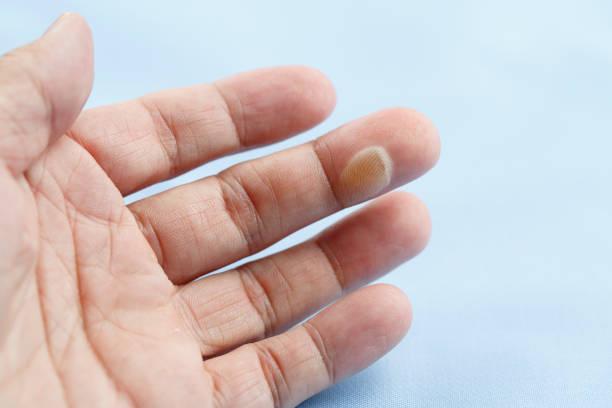
Warts are common skin growths caused by certain types of human papillomavirus (HPV). They can develop on different parts of the body, including the hands, feet, face, and fingers. Although many warts are harmless, they may cause discomfort, spread to nearby skin, or affect a person's confidence. Laser wart removal is one treatment option that may be considered for selected persistent or difficult-to-treat warts. Understanding its benefits, procedure, recovery, and possible results can help individuals make informed decisions about Warts Removal Treatment in Riyadh. A qualified healthcare professional can assess the growth and determine whether laser treatment is appropriate.
What Is Laser Wart Removal?
Laser wart removal is a medical procedure that uses concentrated light energy to target wart tissue or, depending on the laser type, the blood vessels supplying it. The goal is to damage the affected tissue so the wart can gradually resolve as the skin heals.
Laser treatment is not always the first option for every wart. It may be considered when other treatments have not worked, when a wart is persistent, or when its characteristics make another approach less suitable. The choice of laser and treatment technique depends on the wart's size, location, thickness, and the patient's medical history.
How Does Laser Wart Removal Work?
Different laser systems work in different ways. Some target blood vessels associated with the wart, while ablative lasers remove or destroy layers of affected tissue. The clinician selects the technique according to the type of wart and the intended treatment outcome.
Skin Assessment Before Treatment
Before the procedure, a healthcare professional examines the wart and checks whether its appearance is consistent with a wart. The clinician may ask how long it has been present, whether it causes pain, and whether previous treatments have been attempted. Growths that bleed unexpectedly, change in appearance, or have an uncertain diagnosis may require further evaluation before treatment.
Preparing the Treatment Area
The area is cleaned, and protective measures are used according to the laser system and treatment location. Depending on the procedure, a local anesthetic may be offered to reduce discomfort. The clinician explains the expected sensations, possible side effects, and aftercare requirements before starting.
Applying the Laser
The laser is directed at the targeted tissue using controlled settings. The length of the procedure depends on the number, size, and location of the warts. Patients may feel warmth, stinging, or pressure, although discomfort varies. Some procedures remove tissue directly, while others aim to disrupt the wart's blood supply.
What Are the Benefits of Laser Wart Removal?
Laser treatment may offer several advantages for selected patients, particularly when a wart has persisted despite other approaches.
Targeted Treatment
Laser energy can be directed toward the affected area, allowing the clinician to focus treatment on the wart. The level of precision depends on the laser system and technique used. Careful treatment planning is important to limit unnecessary injury to surrounding skin.
Option for Persistent Warts
Some warts do not respond adequately to common treatments such as salicylic acid or cryotherapy. In these cases, a clinician may consider laser treatment as part of a broader management plan. Suitability depends on the wart's characteristics and the person's health.
Treatment During an Outpatient Visit
Many laser procedures are performed in an outpatient setting, so an overnight hospital stay is generally not required. The actual appointment length varies with the number and complexity of the warts. Some patients may need more than one session, followed by time for the treated skin to heal.
Potential Improvement in Skin Comfort and Appearance
Warts that cause pressure, friction, or cosmetic concern may become less troublesome after successful treatment. However, results are not identical for everyone, and a treated area may temporarily appear red, darker, lighter, or scabbed. Scarring is also possible, particularly when treatment affects deeper skin layers.
What Are the Possible Risks and Side Effects?
Laser wart removal can cause temporary redness, swelling, tenderness, and scabbing. Depending on the technique, a wound may form and require careful aftercare. Other possible complications include infection, changes in skin pigmentation, delayed healing, and scarring.
The risk can vary according to the laser type, treatment depth, wart location, and individual skin characteristics. People with darker skin tones may be more likely to notice some pigment changes after skin procedures. Discussing these risks with a qualified clinician helps establish realistic expectations before treatment.
What Is the Recovery Process After Laser Wart Removal?
Recovery depends on the type of laser used and the depth of treatment. Some treated areas heal within days, while deeper wounds may take several weeks. Mild soreness, redness, or a scab may occur during the early healing stages.
Follow the clinician's instructions for cleaning and dressing the area. Avoid picking at scabs, scratching the site, or applying unapproved skincare products. Protect healing skin from friction and sun exposure when appropriate. Contact a healthcare professional if you notice worsening pain, spreading redness, pus, fever, or other signs of infection.
What Results Can You Expect From Laser Wart Removal?
The goal is to remove or reduce the wart while allowing the surrounding skin to heal. Some warts clear after one procedure, whereas others require additional sessions or a different treatment method. The final appearance of the skin may take time to settle, and temporary discoloration can remain after the wound has healed.
Laser treatment cannot guarantee that a wart will never return. HPV may remain in nearby skin, and new warts can develop later. Follow-up assessment may be recommended to check healing and determine whether further treatment is needed.
Who Is a Suitable Candidate for Laser Wart Removal?
Laser treatment may be considered for people with persistent warts, growths that have not responded to standard treatments, or selected warts that are difficult to manage using other methods. However, the procedure is not suitable for every wart or every patient.
A clinician should review medical history, skin sensitivity, circulation, wound-healing concerns, and the location of the lesion before recommending treatment. People with diabetes, reduced sensation, circulation problems, or weakened immune systems should discuss these factors before undergoing a procedure. Warts on sensitive areas also require specific medical assessment.
Why Choose Professional Wart Removal?
Professional care helps ensure that a skin growth is assessed before treatment and that the selected procedure is appropriate. It also provides guidance on managing discomfort, caring for the treated area, and recognizing possible complications. With Warts Removal Treatment in Riyadh, individuals can discuss laser treatment alongside other options and choose an approach based on their skin condition and clinical needs.
Book a Consultation at Royal Clinic Saudia
If you have a persistent wart or are interested in learning whether laser removal is suitable for you, consider booking a consultation at Royal Clinic Saudia. A qualified healthcare professional can assess the growth, explain available treatments, and provide individualized advice about recovery and expected results.
FAQs:
Is laser wart removal painful?
Some patients experience warmth, stinging, or discomfort during treatment. A local anesthetic may be used for certain procedures, and temporary tenderness can occur afterward. The level of discomfort depends on the laser method and wart location.
How many laser sessions are needed to remove a wart?
Some warts may respond to one session, while persistent or larger growths may require additional treatment. The number of sessions depends on the wart's characteristics and its response to the procedure.
Does laser wart removal leave a scar?
Scarring is possible, particularly if treatment affects deeper tissue. Temporary changes in skin color may also occur. A clinician can discuss the risks based on the wart's location, skin type, and proposed laser technique.
Can warts return after laser treatment?
Yes. Laser treatment may remove the visible wart, but recurrence is possible because HPV can remain in surrounding skin. If a wart returns, a healthcare professional can assess it and recommend the next appropriate step.

 English
 French
 Spanish
 Portuguese
 Deutsch
 Turkish
 Dutch
Dutch
 Italiano
 Russian
 Romaian
 Portuguese (Brazil)
 Greek
Greek
