
From Collectibles to Style Statements: The New Language of Toy Fashion
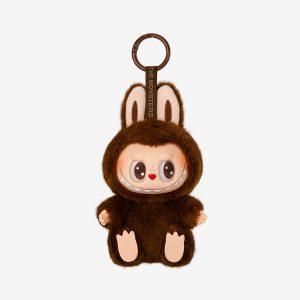
Fashion has always found inspiration in unexpected places, from music and cinema to art, youth culture, and everyday objects. Today, collectible toys are becoming part of that conversation, especially as younger style enthusiasts look for ways to make familiar outfits feel more personal. In Italy, labubu where fashion often balances tradition with experimentation, Labubu has found an interesting place between collectible culture and contemporary personal style. What once belonged mainly on shelves or desks can now appear on handbags, backpacks, jackets, and streetwear looks, turning a playful character into a small but expressive fashion detail.
Labubu and the Rise of Wearable Collectible Culture
Labubu represents a shift in how people can experience collectible toys. Rather than treating a figure or plush character as something completely separate from everyday life, collectors increasingly incorporate their favourite pieces into the way they dress and accessorise. This makes collectibles more visible and gives them a role beyond decoration.
Italian fashion culture provides an especially natural setting for this development. Personal style in cities such as Milan, Rome, Turin, Bologna, and Florence can range from polished minimalism to relaxed streetwear. A small character charm attached to a structured handbag can create contrast, while a colourful plush figure on a casual backpack can add personality to an otherwise simple outfit. The appeal lies in the interaction between the playful object and the wearer's existing style.
From Shelf Collectibles to Everyday Accessories
The transition from collectible to accessory is part of a wider movement in fashion. People increasingly use small objects to communicate interests, memories, humour, or individuality. A bag charm, for example, takes up very little space but can completely change the visual character of a bag.
This approach works particularly well with collectible characters because their unusual shapes, expressions, colours, and textures naturally attract attention. Instead of building an outfit around a single statement item, someone can keep their clothing understated and allow a small collectible to provide the unexpected detail.
Why Toy Fashion Feels Natural in Italian Streetwear
Italian streetwear is not limited to one aesthetic. Contemporary wardrobes often combine premium pieces with casual basics, vintage finds, sneakers, relaxed trousers, oversized outerwear, and distinctive accessories. This flexibility creates room for playful collectible culture without making an outfit feel like a costume.
A neutral hoodie and wide-leg trousers, for instance, can provide a quiet foundation for a colourful bag charm. Similarly, a denim jacket can become more individual with a plush character attached near the pocket or bag strap. The contrast between familiar streetwear silhouettes and whimsical accessories creates visual interest without requiring dramatic changes to the entire outfit.
The same principle can work with more refined clothing. A compact handbag, tailored coat, or monochrome outfit can gain a youthful accent through a small character accessory. For Italian audiences accustomed to mixing classic design with contemporary details, this kind of contrast can feel both familiar and fresh.
The Appeal of Contrast
One reason toy fashion has become interesting is that it challenges the assumption that playful objects belong only to children's spaces. A sophisticated outfit paired with a deliberately cute accessory creates tension between different visual languages.
That contrast can be particularly effective when styling accessories. A minimalist black bag with a colourful charm feels different from a patterned bag carrying an equally colourful figure. The goal is not necessarily to match everything, but to create a relationship between the character and the rest of the outfit.
Labubu as a Personal Style Detail
For many collectors, Labubu is not simply another item in a collection. Its visual identity can become part of how someone expresses their interests. A plush figure hanging from a bag can reveal a playful side of a carefully considered outfit, while a collectible kept inside a tote can function as a personal object that travels through everyday routines.
This idea fits naturally with the broader movement toward personalisation in fashion. Two people may own similar sneakers, jackets, or bags, yet style them completely differently through accessories. Collectible toys offer another way to create that distinction.
In Italy, where fashion is closely connected with individual interpretation, small details can carry considerable visual importance. A charm on a commuter bag, a plush figure accompanying a weekend outfit, or a collectible displayed alongside carefully chosen accessories can make an ordinary look feel more connected to the person wearing it.
Styling Collectibles Without Overdoing It
The most natural approach is often restraint. One distinctive collectible can be enough to transform an outfit. When the clothing already includes bold colours, graphics, or patterns, a smaller accessory may work better. With neutral clothing, a colourful plush figure can become the main visual accent.
Seasonal dressing also creates different possibilities. During cooler months, oversized coats, knitwear, scarves, and layered streetwear provide larger silhouettes that can be balanced with a compact accessory. In spring and summer, lighter bags, denim, cotton shirts, and relaxed trousers can create a cleaner backdrop for colourful charms and plush figures.
Bags Become the New Canvas for Collectibles
Bags have become one of the easiest places to experiment with toy-inspired styling. Unlike clothing, a bag can be changed from one day to another without rebuilding an entire wardrobe. A single charm can move from a backpack to a tote, crossbody bag, or weekend carryall depending on the occasion.
This flexibility makes collectible accessories suitable for different lifestyles. A student might attach a character to a practical backpack, while someone heading into the city could pair one with a leather tote. The accessory remains small, but its placement can influence the overall impression of the look.
Italian fashion also offers plenty of inspiration for mixing materials. Plush textures can contrast with leather, canvas, denim, nylon, or woven fabrics. These differences in texture make even a simple combination visually engaging.
Labubu and the Future of Playful Street Style
The relationship between Labubu and fashion reflects a broader change in how people understand style. Clothing is no longer the only way to communicate identity. Collectibles, phone accessories, jewellery, bags, sneakers, and small personal objects can all become part of an individual's visual language.
For Italian streetwear audiences, this opens up creative possibilities without requiring a complete departure from familiar fashion. A relaxed Milan-inspired city outfit can accommodate a playful charm just as easily as a casual look for a weekend in Bologna or a summer day in Rome. The character becomes one element within a larger composition rather than the entire focus.
The growing connection between collectible culture and fashion also highlights the influence of pop culture on everyday wardrobes. Characters can move from screens, shelves, and collector communities into physical spaces where people meet, travel, shop, study, and socialise.
When Collecting Becomes Part of Everyday Life
Collecting has traditionally been associated with careful displays and dedicated spaces, but modern collectible culture can be much more mobile. People take their favourite pieces with them, Labubu borse photograph them, personalise their belongings with them, and integrate them into everyday routines.
That change makes collectibles feel less isolated from ordinary life. A plush figure on a bag can accompany someone through a morning commute, an afternoon coffee, a shopping trip, or a weekend outing. The object may still have value as part of a collection, but it also develops a practical role as a personal accessory.
For fashion-conscious collectors in Italy, this creates an appealing balance between nostalgia, playfulness, and contemporary styling. The collectible does not need to dominate the outfit. Sometimes its greatest effect comes from being a small unexpected detail.
A New Language of Personal Expression
Toy fashion ultimately reflects a simple idea: style can come from anywhere. A carefully selected collectible can add humour to a minimalist outfit, colour to a neutral wardrobe, or character to a familiar bag. It can connect personal interests with the clothes someone already enjoys wearing.
As fashion continues to become more individual and cross-cultural, the boundary between collectible culture and streetwear is likely to remain fluid. Italian audiences can interpret the trend in their own way, combining playful characters with local fashion sensibilities, seasonal dressing, and personal preferences. What begins as a small figure or plush accessory can therefore become part of a much larger story about identity, creativity, and the freedom to make everyday style feel uniquely personal.

 English
 Arabic
 French
 Spanish
 Portuguese
 Deutsch
 Turkish
 Dutch
Dutch
 Russian
 Romaian
 Portuguese (Brazil)
 Greek
Greek
