
A Guide to Residential and Commercial Shingle Roofing in Poulsbo
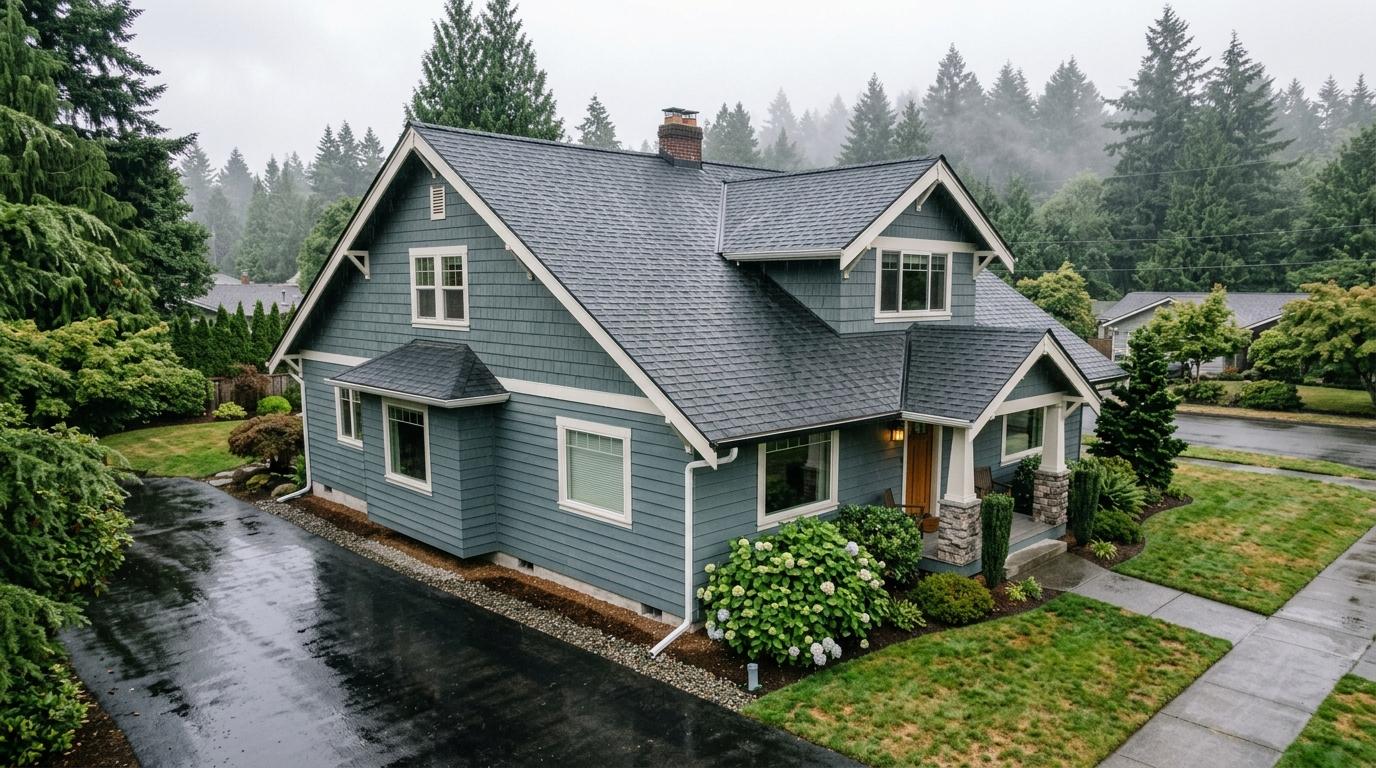
Shingle roofing is a common roofing option for properties, but a durable roof depends on more than the shingles themselves. Property owners in Poulsbo, WA should consider roof condition, installation practices, ventilation, flashing, drainage, maintenance, and local project requirements when planning roofing work. Understanding these factors can make it easier to plan repairs, replacement, or a new installation.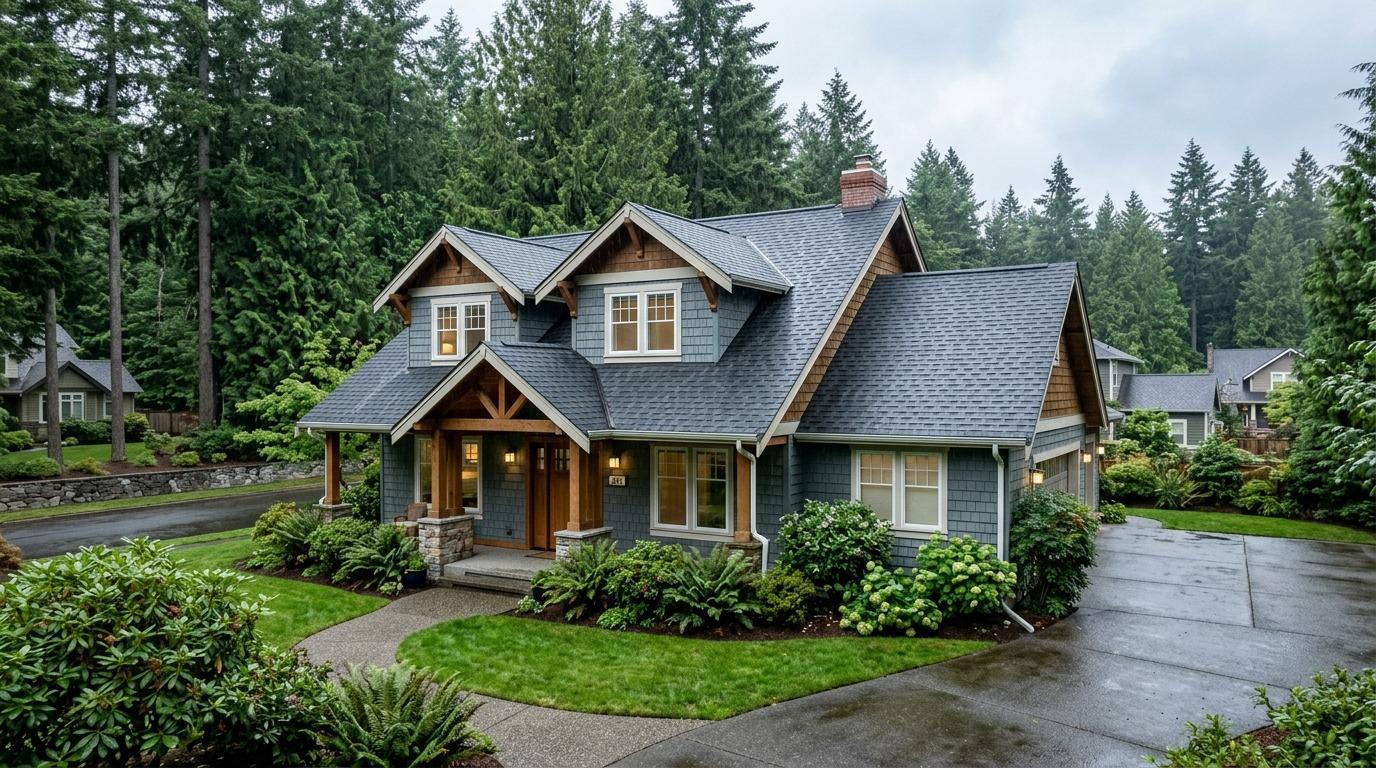
What Should Property Owners Know About Shingle Roofing?
Understand Residential Shingle Roofing
Residential shingle roofs need to protect the home from rain and moisture while supporting proper drainage and ventilation. Asphalt shingles are installed over a prepared roof deck with components such as underlayment, flashing, starter materials, and ridge protection.
The condition of the existing roof should be evaluated before deciding whether individual shingles can be repaired or whether a larger replacement project is appropriate.
Consider Commercial Shingle Roofing
Commercial properties can have different roofing requirements depending on the building's size, roof design, slope, occupancy, and existing roofing system. Some commercial buildings use shingle systems, while others may require different roofing materials.
Property owners should evaluate the roof structure and intended use of the building before selecting a shingle system or planning replacement work.
Review Project Requirements Before Installation
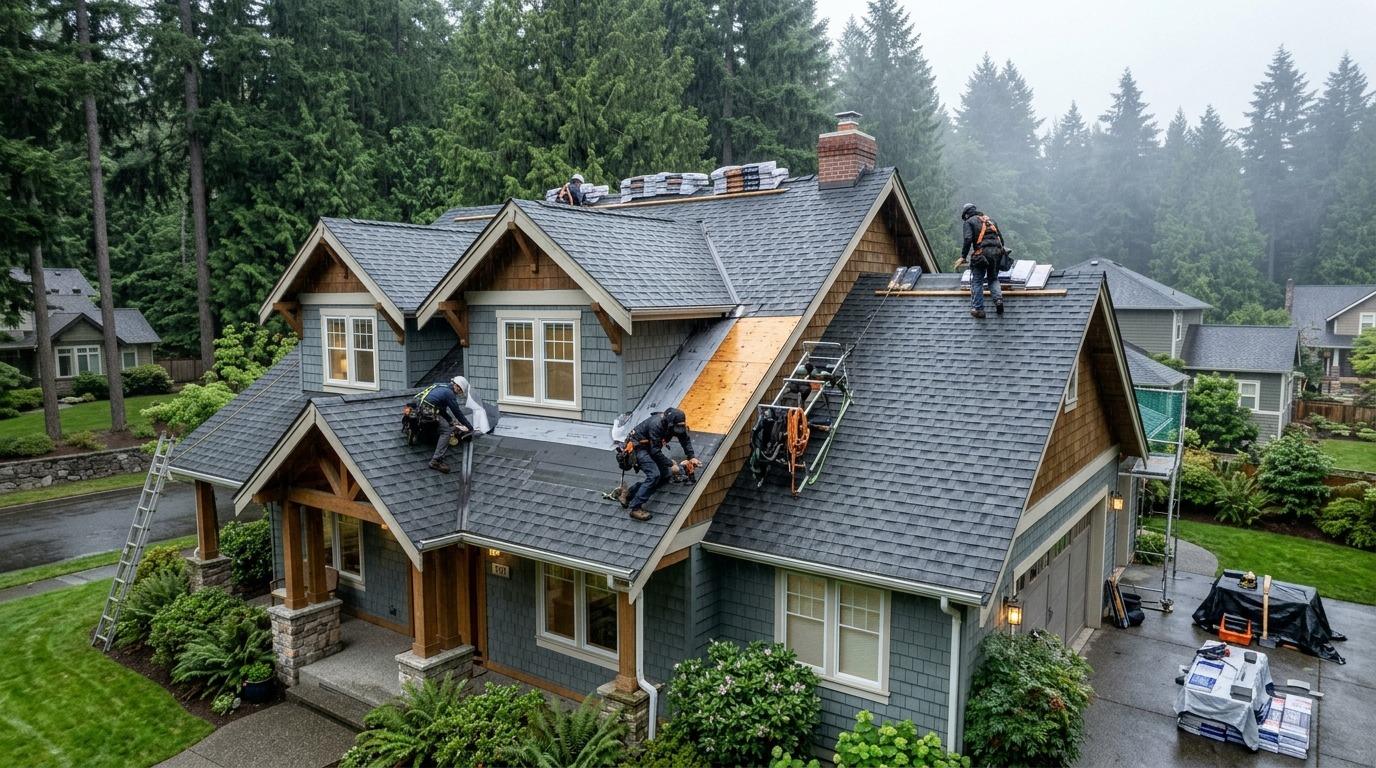
Before beginning a roofing project, property owners should understand the required scope of work and applicable local requirements. This may include removal of existing shingles, inspection of the roof deck, installation of underlayment, flashing, ventilation components, and new shingles.
For property owners researching shingle roofing services in Poulsbo, WA, reviewing the available installation, repair, replacement, and maintenance services can help clarify the type of roofing work a property may require.
The City of Poulsbo's current permit guidance lists both residential and commercial re-roofing among projects that require a building permit. Property owners should verify current requirements before starting work.
How Should Shingle Roof Installation Be Planned?
Inspect the Roof Deck and Existing Materials
A new shingle installation should begin with an assessment of the existing roof. Damaged decking, loose materials, deteriorated flashing, and other underlying problems may need to be addressed before new shingles are installed.
Installing new roofing over an unsuitable surface can create problems that remain hidden until the roof is exposed to weather. A thorough inspection helps identify conditions that could affect the finished roofing system.
Use Appropriate Underlayment and Flashing
Underlayment provides an additional layer of protection beneath the shingles, while flashing helps manage water around areas such as walls, chimneys, valleys, and other roof intersections.
Manufacturer installation guidance emphasizes following local building codes and proper installation requirements for underlayment, fastening, ventilation, and flashing.
Plan Ventilation and Drainage
Roofing performance depends on more than the visible shingle surface. Proper attic ventilation can help manage heat and moisture, while appropriate roof slope and drainage allow water to move away from vulnerable areas.
Property owners should make sure ventilation and drainage are considered as part of the complete roofing system rather than treated as separate concerns.
When Should Shingle Roofs Be Repaired or Replaced?
Identify Signs of Shingle Damage
Common warning signs include cracked, curled, loose, or missing shingles. Damaged flashing, exposed fasteners, granule accumulation, and water stains inside the building can also indicate roofing problems.
A professional inspection can help determine whether the issue is localized or whether the roof has broader deterioration.
Consider the Condition of the Entire Roof
A few damaged shingles do not necessarily mean the entire roof needs replacement. Localized repairs may be appropriate when the surrounding roofing system remains in good condition.
However, widespread deterioration, recurring leaks, damaged decking, or an aging roofing system may justify evaluating a complete replacement.
Plan Shingle Roof Replacement Carefully
Roof replacement involves more than placing new shingles over an existing surface. The project may include removing old roofing, checking the roof deck, installing underlayment and flashing, improving ventilation, and installing the new shingle system.
Poulsbo's published permit records show residential re-roofing projects involving removal of existing materials and installation of new shingles, underlayment, flashing, or related components.
How Can Property Owners Maintain Shingle Roofs?
Schedule Regular Roof Inspections
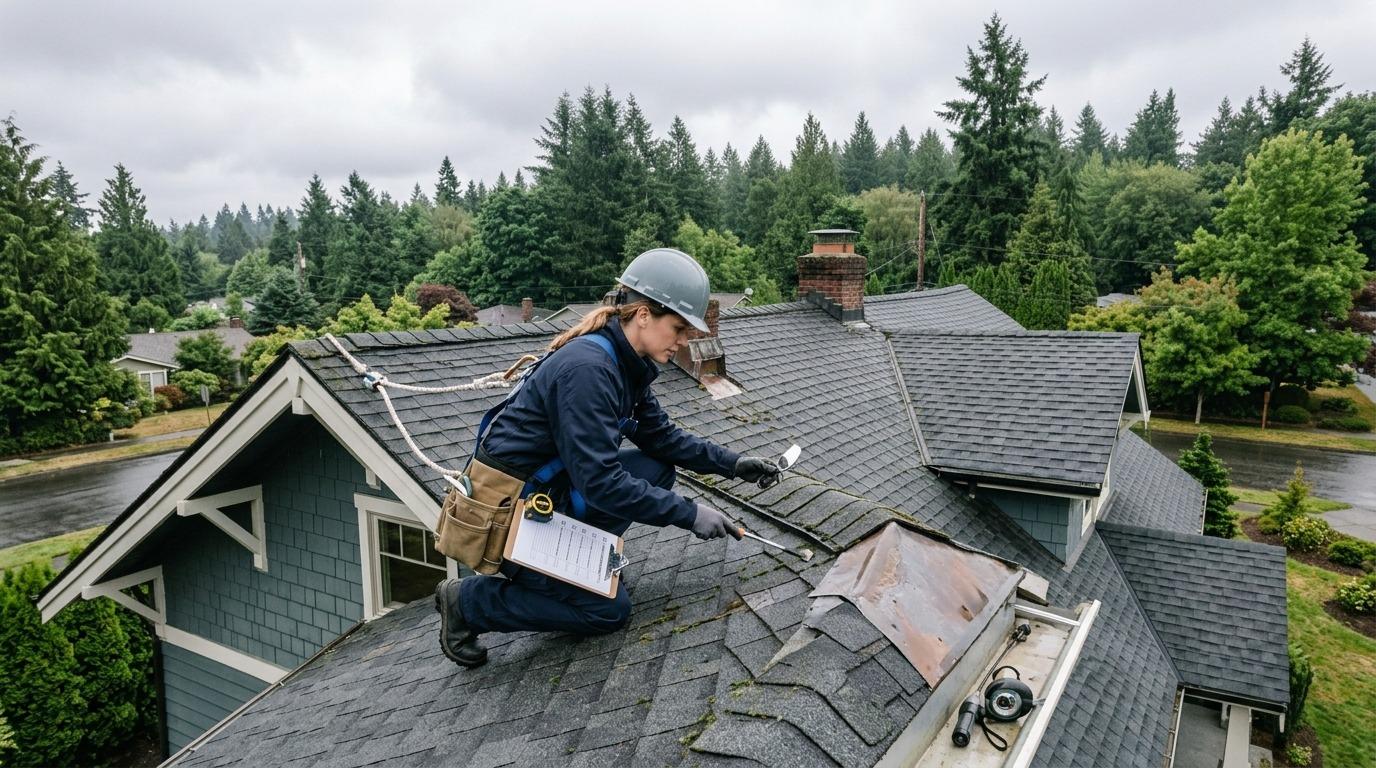
Regular inspections can help property owners identify small problems before they become larger repairs. Inspections are particularly useful after severe weather or whenever there are signs of water intrusion.
A roof inspection should consider shingles, flashing, valleys, vents, gutters, roof edges, and visible areas of the roof deck where accessible.
Keep Gutters and Roof Drainage Clear
Gutters and downspouts help direct rainwater away from the roof and building. Leaves, debris, and other obstructions can interfere with drainage and contribute to water accumulation.
Keeping drainage components clean and checking for damaged sections can support the overall performance of the roofing system.
Address Repairs Promptly
Delaying a small roofing repair can allow water to reach underlying materials and interior areas. Loose shingles, damaged flashing, or small leaks should be evaluated before they develop into more extensive problems.
Maintaining records of inspections, repairs, and replacement work can also help property owners plan future roofing maintenance.
Conclusion
Residential and commercial shingle roofing requires careful planning from inspection through installation and long-term maintenance. Poulsbo property owners should consider the condition of the existing roof, appropriate installation components, ventilation, drainage, repair needs, and applicable local requirements. Regular inspections and timely repairs can help maintain the roofing system and provide better protection for the property over time.
FAQs
How long can a shingle roof last?
The service life varies according to the shingle type, installation quality, weather exposure, ventilation, and maintenance.
Can damaged shingles be repaired individually?
Yes, localized damage can sometimes be addressed by replacing individual shingles or repairing related components.
Does Poulsbo require a permit for re-roofing?
The City of Poulsbo lists both residential and commercial re-roofing as projects requiring a building permit.
What should be checked before replacing a shingle roof?
Property owners should evaluate the shingles, roof deck, flashing, underlayment, ventilation, drainage, and overall roof condition.
Is roof inspection important for maintenance?
Yes. Regular inspections can help identify damaged materials, drainage issues, and early signs of leaks before they become more extensive problems.

 English
 Arabic
 Spanish
 Portuguese
 Deutsch
 Turkish
 Dutch
Dutch
 Italiano
 Russian
 Romaian
 Portuguese (Brazil)
 Greek
Greek
