
Armor Hoodie: Features, Fit, Materials and Buying Guide
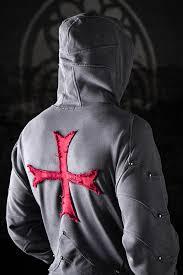
An Armor hoodie is a type of hooded garment associated with a strong, structured, and protective-inspired appearance. Depending on the design, the term can describe a fashion hoodie with armor-like graphics, reinforced construction, or a specialized garment designed for a particular activity. Understanding the difference is important because an attractive design does not automatically mean that a hoodie provides physical protection.
For everyday clothing, an Armor hoodie can offer a distinctive alternative to basic sweatshirts. Its appeal often comes from a combination of substantial fabric, structured details, practical pockets, fitted or oversized cuts, and bold visual elements. Before buying one, shoppers should consider material quality, fit, construction, intended use, comfort, and care requirements.
What Is an Armor Hoodie?
The term Armor hoodie does not describe one universal garment specification. Different manufacturers can use the name for products with very different designs and purposes.
Some are primarily fashion pieces inspired by protective armor. They may feature printed panels, geometric patterns, layered sections, metallic-looking graphics, or reinforced-looking details. These features are generally decorative rather than protective.
Other hoodies may be designed for outdoor activities, riding, work, or sports. If protection is claimed, buyers should look for specific information about the protective components, testing, certification, and applicable safety standards rather than relying on the product name alone.
Fashion-Oriented Designs
Fashion versions usually focus on appearance and everyday comfort. Heavyweight cotton, cotton blends, polyester, and fleece are common choices. Designers may use contrasting panels, unusual seams, zippered sections, and fitted silhouettes to create a stronger visual character.
These hoodies can work with jeans, cargo trousers, joggers, or casual footwear. Their styling depends largely on the cut and color rather than the name Armor hoodie itself.
Protective or Technical Designs
A technical garment requires closer examination. If a manufacturer says a hoodie offers impact, abrasion, weather, or other protection, the product should provide details about how that performance was established.
A protective garment should not be treated as safety equipment simply because it has thick fabric, padding, or an armor-inspired appearance.
Key Features to Examine
Fabric Quality
Fabric affects warmth, durability, breathability, and comfort. Cotton is soft and comfortable for regular wear, while polyester generally offers good durability and quick drying. Blended fabrics can combine characteristics of both.
For colder conditions, fleece-lined interiors can provide additional warmth. In warmer climates, lighter fabrics may be more comfortable because heavy materials can retain heat.
Construction and Stitching
Examine seams, cuffs, pockets, zipper areas, and attachment points. Neat stitching with consistent spacing is generally preferable to loose threads or uneven seams.
A hoodie that contains multiple panels or decorative sections also needs good seam construction. Poor stitching can become noticeable quickly when the garment is washed or worn frequently.
Hood Design
The hood should sit comfortably around the head without restricting movement. Adjustable drawstrings can improve fit, while a structured hood may retain its shape better.
For everyday wear, consider whether the hood is large enough to be useful but not so heavy that it pulls the neckline backward.
Pockets and Closures
Pockets should be checked for both size and construction. Deep pockets are more practical for carrying small everyday items. Zippered pockets can provide additional security.
If the hoodie uses a front zipper, inspect whether it moves smoothly and whether the surrounding fabric lies flat when closed.
Choosing the Right Fit
Fit has a major effect on both comfort and appearance. A slim hoodie usually creates a cleaner silhouette, while a relaxed or oversized design provides more room for layering.
Measure your chest, shoulders, sleeve length, and preferred garment length before ordering online. Do not assume that a medium or large size is identical across brands.
Consider Layering
If you plan to wear a shirt underneath, a close-fitting hoodie may work well. For colder weather, you may need extra room for a thermal layer or lightweight jacket.
Sleeve length is also important. Sleeves that are too short can become uncomfortable during movement, while excessively long sleeves can interfere with pockets and cuffs.
Where Can You Wear an Armor Hoodie?
An Armor hoodie can be suitable for casual settings when its design and material are intended for everyday clothing.
It can be paired with denim for a simple streetwear outfit or with cargo trousers for a more rugged appearance. Neutral colors such as black, gray, olive, and navy are generally easy to combine with other clothing.
For outdoor use, check the garment's actual weather resistance instead of assuming that thick material is waterproof or windproof.
If a product is marketed for riding, work, or another activity where injury protection matters, review its technical specifications and certification before relying on it for safety.
Practical Benefits and Key Insights
One benefit of a well-designed Armor hoodie is versatility. A single garment can provide warmth, storage, and a distinctive appearance without requiring a complicated outfit.
Another practical advantage is layering. Hoodies can be worn over T-shirts in mild weather and beneath jackets when temperatures fall.
Durability is another consideration. Heavy fabrics and reinforced construction can withstand frequent use, but material weight alone does not guarantee long service life. Stitch quality, fabric composition, zipper quality, and washing practices all affect durability.
Buyers should also separate appearance from performance. Decorative reinforcement may look substantial without providing measurable protection. Technical performance should always be supported by manufacturer documentation and recognized testing where applicable.
Common Challenges to Consider
Excessive Weight
Some heavy hoodies can become uncomfortable during extended wear. If you live in a warm climate, consider a lighter fabric or breathable blend.
Limited Breathability
Dense fabrics can trap heat. This may be useful in cold conditions but uncomfortable during physical activity or warmer weather.
Difficult Care
Printed designs, special finishes, and mixed materials may require specific washing instructions. Ignoring those instructions can cause shrinkage, fading, or damage.
Misleading Protection Claims
The most important consideration is the difference between appearance and certified protection. A hoodie should not be considered protective equipment unless its protective performance is clearly documented.
How to Care for an Armor Hoodie
Always check the manufacturer's care label before washing. Many cotton and blended hoodies can be machine washed, but temperature and drying instructions vary.
Turn printed or decorated garments inside out before washing when appropriate. Avoid unnecessarily high heat because it can contribute to shrinkage and damage certain prints or synthetic materials.
Do not use harsh cleaning methods unless the manufacturer specifically recommends them. After washing, reshape the garment and dry it according to its care instructions.
Frequently Asked Questions
1. What is an Armor hoodie?
It is a hooded garment that may feature armor-inspired styling, reinforced-looking construction, or technical features. The exact meaning depends on the manufacturer and product.
2. Is an Armor hoodie protective equipment?
Not necessarily. A fashion hoodie with armor-inspired details should not be assumed to provide physical protection. Actual protective performance requires appropriate testing and documentation.
3. Which material is best for an Armor hoodie?
There is no single best material. Cotton favors softness, polyester can offer durability and quick drying, and blended fabrics can balance different characteristics. The right choice depends on climate and intended use.
4. How should an Armor hoodie fit?
The fit should match its purpose. A regular or slim fit works well for everyday layering, while a relaxed fit offers more room and may be preferable over thicker base layers.
5. Can an Armor hoodie be worn every day?
Yes, if its fabric, construction, and design are comfortable for regular use. Check washing requirements and choose a material appropriate for your local climate.
Conclusion
An Armor hoodie can be a practical everyday garment or a specialized piece, depending on its construction and intended purpose. The most important factors are material, stitching, fit, hood design, pocket construction, comfort, and care requirements.
Buyers should also pay close attention to product descriptions. Armor-inspired styling is mainly an aesthetic feature, while genuine protective performance requires documented testing and suitable standards. By separating appearance from function and choosing a hoodie according to its actual use, shoppers can make a more informed purchase.

 English
 Arabic
 Spanish
 Portuguese
 Deutsch
 Turkish
 Dutch
Dutch
 Italiano
 Russian
 Romaian
 Portuguese (Brazil)
 Greek
Greek
