
Gut Microbiome Test for Personalized Health
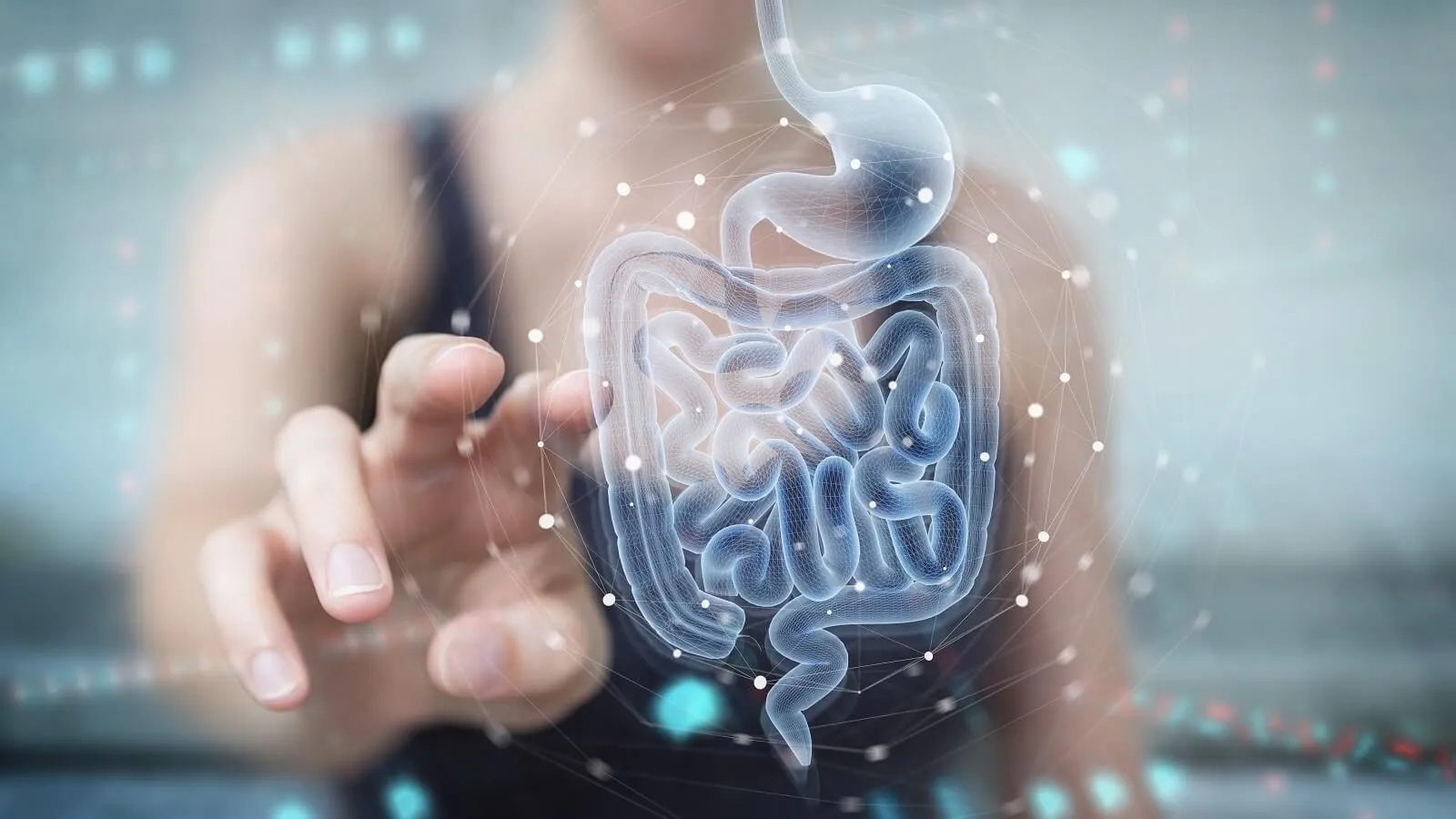
Every person's gut microbiome is different. The digestive tract contains a complex community of bacteria and other microorganisms that can vary according to diet, lifestyle, medication use, age, and other factors. A Gut Microbiome Test can examine a stool sample and provide information about some of the microorganisms present in an individual's digestive system.
Personalized health assessments can focus on different areas of the body. For example, Blood test in Dubai may assess specific markers in a blood sample, while microbiome testing focuses on microorganisms found in stool. Understanding the purpose of each test helps put the results into the right context.
How Can Microbiome Testing Provide Personal Insights?
A Gut Microbiome Test analyzes a sample from your digestive system rather than relying on general assumptions about gut bacteria. Depending on the test, the report may provide information about bacterial composition, microbial diversity, or the relative presence of certain microorganisms.
This can make the information more specific to the individual being tested. However, personalized results do not automatically mean that every recommendation included with a commercial test is medically necessary.
The findings should be considered alongside your lifestyle, dietary habits, symptoms, and other relevant health information.
Understanding Your Individual Gut Bacteria
The microorganisms found in the gut can differ significantly between individuals. Two people with similar diets may still have different microbial profiles.
A microbiome report may identify particular bacterial groups or provide an overview of the microbial community. This information can help you understand that gut health is highly individual.
At the same time, the presence of a particular microorganism does not automatically indicate a health problem. The significance of a finding depends on the testing method and the broader context.
Personalized Nutrition and the Microbiome
Diet is one of the major factors that can influence the gut environment. This is why microbiome testing is sometimes associated with personalized nutrition.
A varied diet containing vegetables, fruits, legumes, whole grains, and other nutrient-rich foods can contribute to overall dietary quality. Different foods provide different nutrients and types of dietary fiber that interact with the digestive environment.
If your test report provides personalized dietary suggestions, consider them carefully rather than eliminating large groups of foods without professional advice. Individual nutritional requirements should always be taken into account.
What Can the Test Actually Tell You?
The information available from a Gut Microbiome Test depends on the laboratory and technology used. Some tests may focus on bacterial composition, while others may provide additional measurements related to microbial diversity.
The report may also organize findings into charts, categories, or explanations designed to make the results easier to understand.
However, microbiome testing cannot provide a complete assessment of your overall health. It also cannot necessarily identify the cause of every digestive symptom.
Factors That Influence Personalized Results
Your gut microbiome is constantly influenced by your surroundings and daily habits. Diet, medications, physical activity, sleep, stress, illness, and other factors can contribute to changes in microbial composition.
Antibiotics are one example of a medication that can affect bacterial populations. Recent dietary changes or illness may also influence the results.
Because of these factors, a microbiome test should generally be viewed as a snapshot rather than a permanent profile of your gut.
Can Testing Help With Digestive Wellness?
Some people explore microbiome testing because they want to understand their digestive wellness more closely. The results may provide information about the microorganisms present in their sample.
However, symptoms such as bloating, abdominal discomfort, constipation, diarrhea, or changes in bowel habits can have many possible causes. A microbiome test alone may not determine why a symptom is occurring.
If you experience persistent or concerning digestive symptoms, professional evaluation is important.
Preparing for Personalized Microbiome Testing
Before collecting your sample, follow the instructions provided by the testing laboratory. The instructions may explain how to collect, store, and return the specimen.
Correct sample handling is important because the laboratory needs a suitable specimen for analysis. You should also provide accurate information about medications or other factors if the testing provider requests it.
Do not stop prescribed medication simply to alter your test results unless a qualified healthcare professional specifically advises you to do so.
How to Interpret Personalized Results
Personalized results can be interesting, but they should not be interpreted without context. A report may show that certain microorganisms are present in higher or lower relative amounts, but that does not automatically mean you need treatment.
Scientific research into the human microbiome is still developing. Researchers continue to investigate how microbial communities interact with digestion, nutrition, and other biological processes.
If you are uncertain about a result, a qualified healthcare professional can help explain whether the information is relevant to your individual situation.
Supporting Your Gut Every Day
You do not need to rely entirely on testing to support general gut wellness. Healthy daily habits remain important.
Eating a balanced and varied diet, drinking enough water, staying physically active, maintaining good sleep habits, and managing stress can contribute to overall wellbeing.
It can also be helpful to pay attention to how your digestive system responds to different foods and lifestyle changes. Keeping track of recurring symptoms can provide useful information when discussing your health with a professional.
Final Thoughts
A Gut Microbiome Test can provide personalized information about microorganisms detected in a stool sample and may help you understand your individual gut environment. Depending on the testing method, it can offer insights into bacterial composition and microbial diversity.
Personalized information can be useful for increasing awareness, but it should not be treated as a standalone diagnosis. Combining microbiome results with balanced nutrition, healthy lifestyle habits, personal health information, and appropriate professional guidance can provide a more complete approach to digestive wellness.

 English
 Arabic
 French
 Portuguese
 Deutsch
 Turkish
 Dutch
Dutch
 Italiano
 Russian
 Romaian
 Portuguese (Brazil)
 Greek
Greek
