
The Foundational Pillars of the Modern Global Business Intelligence Industry
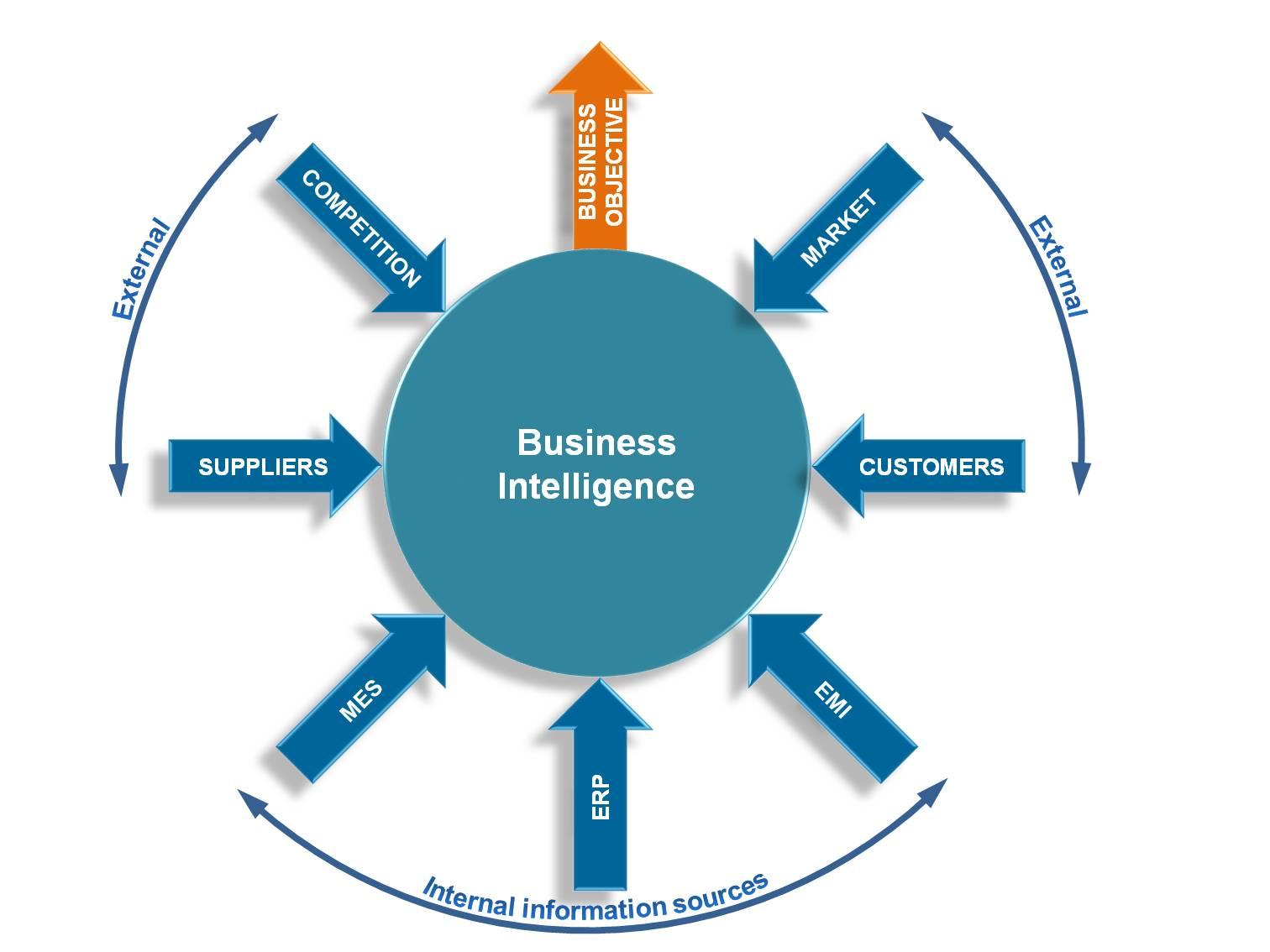
In the contemporary corporate world, where data is often cited as the new oil, the ability to extract meaningful insights from vast information reservoirs has become a critical determinant of success. This is the domain of the Business Intelligence industry, a dynamic and rapidly evolving sector that encompasses the technologies, applications, and practices for the collection, integration, analysis, and presentation of business information. At its core, Business Intelligence (BI) is about empowering organizations to make smarter, more informed decisions by providing them with timely, accurate, and actionable data. It transforms raw data from disparate sources—such as customer relationship management (CRM) systems, enterprise resource planning (ERP) software, and operational databases—into a coherent and understandable format, typically through interactive dashboards, visualizations, and reports. This enables stakeholders at all levels, from C-suite executives to frontline managers, to monitor key performance indicators (KPIs), identify trends, uncover inefficiencies, and spot new market opportunities. The BI industry, therefore, serves as the central nervous system for the data-driven enterprise, providing the essential framework for navigating the complexities of the modern business environment with clarity and confidence.
The BI process is a systematic journey that turns raw data into strategic intelligence, and it can be broken down into four essential components. The first is data sourcing and collection, which involves identifying and gathering relevant data from a multitude of internal and external sources. This raw data is often unstructured and inconsistent, requiring the second stage: data integration and storage. Through processes known as Extract, Transform, and Load (ETL) or Extract, Load, and Transform (ELT), data is cleaned, standardized, and consolidated into a central repository, most commonly a data warehouse or a data lake. This unified repository acts as the "single source of truth" for the organization. The third and most critical component is data analysis. This is where BI tools and techniques are applied to the prepared data to uncover patterns and insights. This can range from simple descriptive analytics (what happened?) and diagnostic analytics (why did it happen?) to more advanced predictive analytics (what will happen?) and prescriptive analytics (what should we do?). The final component is data presentation and visualization, where the findings from the analysis are translated into easily digestible formats like interactive dashboards, charts, graphs, and maps, enabling business users to explore the data and understand its implications without needing a background in statistics or data science.
The Business Intelligence landscape has undergone a dramatic evolution over the past few decades, shifting from a highly centralized, IT-dependent function to a more democratized, user-centric model. In the era of traditional BI, the process was slow and cumbersome. Business users would submit a request for a specific report to the IT department, which would then embark on a lengthy process of coding queries and building static reports. This often resulted in significant delays, making the information obsolete by the time it was delivered. The advent of modern, self-service BI platforms completely revolutionized this paradigm. Led by innovative vendors, the focus shifted to empowering non-technical business users with intuitive, user-friendly tools that allow them to connect to data sources, perform their own analyses, and create their own visualizations with simple drag-and-drop interfaces. This democratization of data access has fostered a culture of data exploration and curiosity within organizations, allowing business experts who are closest to the operational challenges to ask and answer their own questions without relying on a central IT bottleneck. This shift represents a fundamental democratization of analytics, making data-driven insights accessible to everyone in the organization, not just a select few data specialists.
Ultimately, the compelling value proposition of Business Intelligence lies in its ability to deliver tangible business outcomes and a significant return on investment. The most immediate benefit is dramatically improved decision-making. By replacing gut feelings and anecdotal evidence with hard data, organizations can make strategic choices with a much higher degree of confidence, whether it involves launching a new product, entering a new market, or optimizing a marketing campaign. BI also drives significant operational efficiency. By providing clear visibility into business processes, companies can identify bottlenecks, streamline workflows, reduce waste, and optimize resource allocation. For example, a retailer can use BI to optimize inventory levels, preventing stockouts of popular items while avoiding overstocking of slow-moving products. Furthermore, BI provides a powerful competitive advantage. By analyzing market trends, customer behavior, and competitor performance, businesses can react more quickly to changes in the marketplace and proactively identify opportunities that their rivals may miss. In today's fast-paced digital economy, the ability to leverage data effectively is not just an advantage; it is a fundamental requirement for survival and growth, and Business Intelligence provides the essential toolkit to achieve this.
Top Performing Market Insight Reports:
Facility Management Services Market

 Arabic
 French
 Spanish
 Portuguese
 Deutsch
 Turkish
 Dutch
Dutch
 Italiano
 Russian
 Romaian
 Portuguese (Brazil)
 Greek
Greek