
Dental Braces: Types and Options Explained
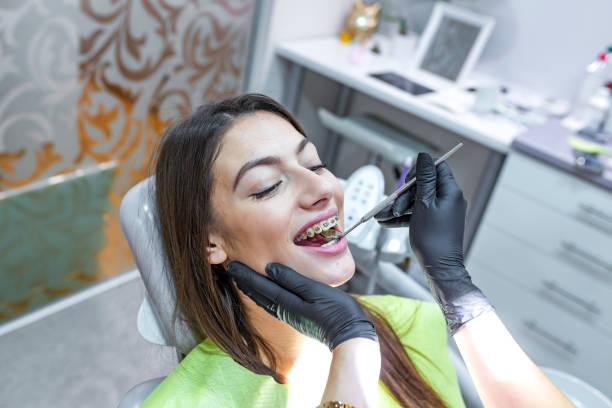
For patients considering Dental Braces in Dubai, understanding the different types of braces can help make the decision-making process easier. Orthodontic appliances are designed to gradually move teeth into better positions, but the appearance, materials, maintenance, and suitability of each option can vary.
The best type of braces depends on factors such as tooth alignment, bite concerns, treatment complexity, age, lifestyle, and personal preferences. A professional assessment can help identify which options are appropriate for your smile.
Traditional Metal Braces
Traditional metal braces are one of the most established orthodontic options. They typically use metal brackets attached to the teeth and an archwire that connects them.
The wire applies controlled pressure to gradually guide the teeth toward their planned positions. Regular appointments allow the dental professional to monitor progress and make adjustments as needed.
Metal braces can be suitable for many types of alignment concerns, including significant crowding, spacing, and certain bite irregularities. Their durability and versatility make them a common choice for orthodontic care.
Ceramic Braces
Ceramic braces work using a similar basic principle to traditional braces, but their brackets are designed to be less noticeable. They may use tooth-colored or clear materials that blend more closely with the natural appearance of the teeth.
This can make ceramic braces appealing to patients who are concerned about the visibility of traditional metal brackets. However, they may require careful maintenance, particularly because certain foods and habits can affect the appearance of lighter-colored components.
Whether ceramic braces are appropriate depends on the complexity of the orthodontic case and the recommendation of the dental professional.
Dental Clinic: Choosing the Right Braces
A Dental Clinic can help you compare braces options according to your specific orthodontic needs. During the consultation, the dental professional may evaluate your tooth alignment, bite, gum health, and overall oral condition.
Digital scans, photographs, or X-rays may be used to understand the position of your teeth and supporting structures. This information allows the dentist to determine which orthodontic approaches are suitable.
Your lifestyle and personal preferences can also be discussed. Some patients prioritize a discreet appearance, while others prefer a durable and well-established orthodontic option.
Fixed Braces and Their Benefits
Fixed braces remain attached to the teeth throughout the active orthodontic stage. Because they are not removed by the patient, they provide continuous orthodontic forces according to the treatment plan.
This can make them suitable for patients who require more consistent tooth movement. However, fixed appliances require extra attention to oral hygiene because brackets and wires create additional areas where plaque and food particles can collect.
Regular brushing, cleaning between the teeth, and professional dental visits are important throughout the process.
How to Choose Between Options
Choosing braces should involve more than simply considering their appearance. The complexity of the alignment problem is one of the most important factors.
Patients with significant crowding or complicated bite concerns may require an orthodontic option that provides precise control over tooth movement. Other patients with less complex concerns may have more flexibility when selecting between available choices.
Comfort, maintenance, appointment requirements, appearance, and expected results can also influence the decision.
Comfort During Orthodontic Care
All types of braces can require an adjustment period. Patients may experience mild pressure or sensitivity after braces are fitted or adjusted.
The brackets may also feel unusual against the cheeks and lips initially. Most patients gradually become more comfortable as they get used to the appliance.
If a component becomes loose or causes persistent irritation, contacting the dental team is recommended. Attempting to repair braces without professional guidance may cause additional problems.
Caring for Different Braces
Good oral hygiene is essential regardless of the type of braces you choose. Brush carefully around brackets and along the gumline to remove plaque and food particles.
Cleaning between teeth is equally important. An interdental brush or other specialized cleaning aid may help reach areas around orthodontic components.
Patients should also avoid very hard or sticky foods that can damage brackets and wires. Following professional dietary recommendations can help reduce avoidable orthodontic complications.
Braces and Treatment Duration
The type of braces does not automatically determine how long orthodontic care will take. Treatment duration is influenced more by the complexity of the patient's dental condition and the amount of movement required.
Crowding, spacing, bite problems, tooth position, age, and individual response to orthodontic forces can all affect the timeline.
Regular appointments and following professional instructions can help keep the process progressing as planned.
The Importance of Professional Assessment
It can be tempting to choose braces based only on appearance or recommendations from friends. However, every smile has different orthodontic requirements.
A professional assessment provides information about your bite, tooth position, gum health, and overall dental condition. This helps ensure that the selected orthodontic option is appropriate for your needs.
Your dentist can also explain the expected benefits, care requirements, and limitations of each available choice.
Life After Braces
After the active braces stage is complete, retainers are commonly recommended to help maintain the new tooth positions. Teeth can naturally move over time, making retention an important part of long-term orthodontic care.
Following the recommended retainer schedule and continuing regular dental visits can help protect your results.
Final Thoughts
Different types of braces offer different advantages, and the right choice depends on your individual dental needs, lifestyle, appearance preferences, and orthodontic goals. A professional assessment can help you understand which option is most suitable for your smile. With proper care and consistent follow-up, Dental Braces can support lasting improvements in tooth alignment and smile appearance.

 Arabic
 French
 Spanish
 Portuguese
 Deutsch
 Turkish
 Dutch
Dutch
 Italiano
 Russian
 Romaian
 Portuguese (Brazil)
 Greek
Greek
