
Salicylic Acid Cleanser for Oily Skin: How to Use It Without Drying Your Skin
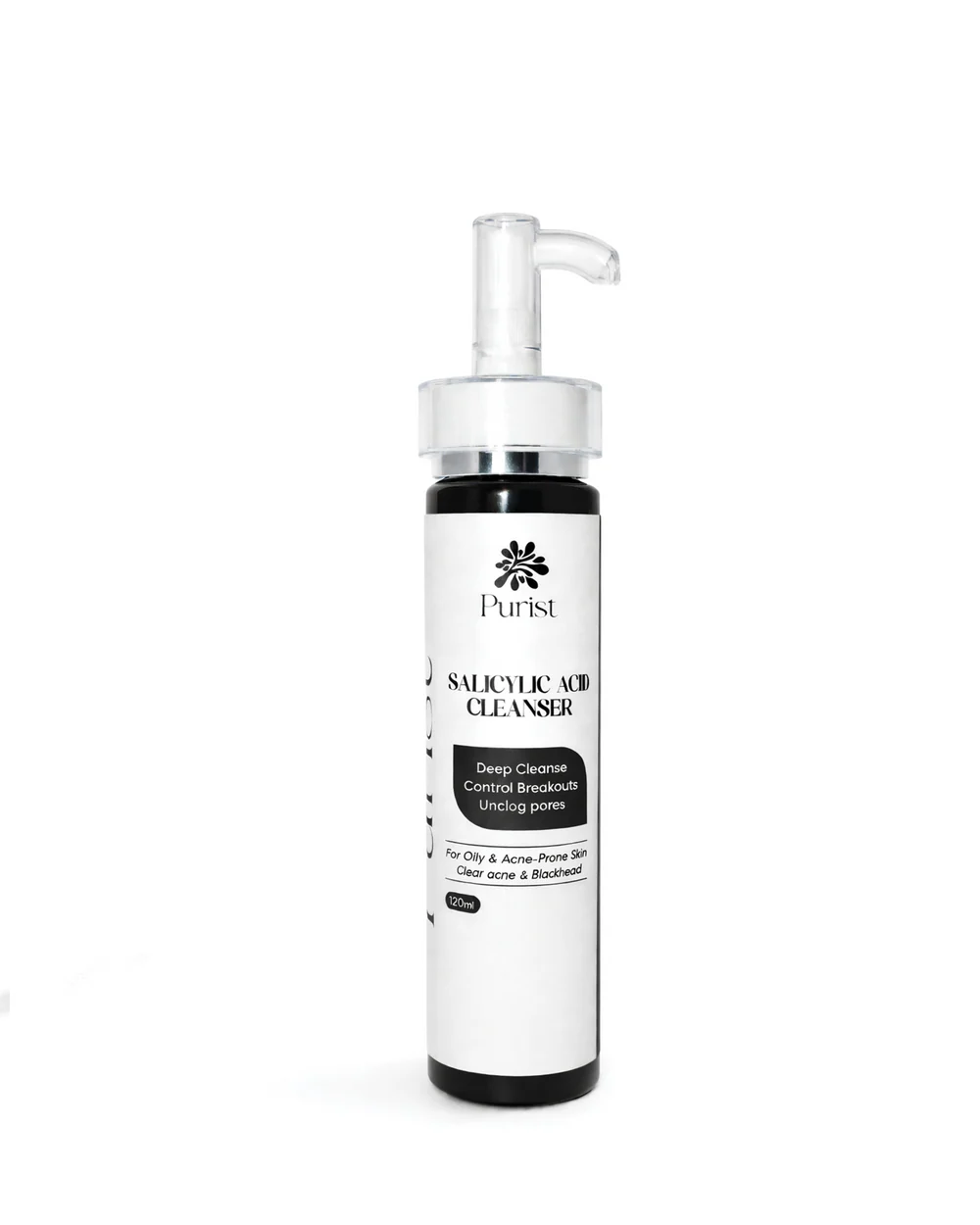
If your face starts looking shiny a few hours after washing it, you're not alone. Oily skin can bring more than unwanted shine. Excess sebum can contribute to clogged pores, blackheads, whiteheads, and frequent breakouts.
That's where a salicylic acid cleanser can help.
Salicylic acid is a beta-hydroxy acid (BHA) that works particularly well with oily and acne-prone skin because it can penetrate into pores and help remove excess oil and dead skin buildup.
But there's an important catch: using too much salicylic acid can leave your skin dry, tight, or irritated.
The goal isn't to strip every trace of oil from your face. It's to keep your skin clean and your pores clearer while maintaining a healthy skin barrier.
What Is Salicylic Acid?
Salicylic acid is an oil-soluble exfoliating ingredient commonly used in skincare products designed for oily and acne-prone skin.
Unlike physical scrubs that remove dead skin through friction, salicylic acid chemically exfoliates the skin. Because it is oil-soluble, it can work within oily pore buildup and help loosen dead skin cells and excess sebum.
This makes it especially useful for concerns such as:
-
Blackheads
-
Whiteheads
-
Clogged pores
-
Excess oil
-
Acne-prone skin
-
Rough or uneven texture
Salicylic acid is available in cleansers, toners, serums, spot treatments, and other skincare products.
Why Is Salicylic Acid Good for Oily Skin?
Oily skin produces more sebum than it needs. When sebum combines with dead skin cells inside a pore, it can contribute to congestion.
Salicylic acid helps loosen this buildup and exfoliate inside the pore.
That's the key difference between salicylic acid and many ordinary cleansers. A regular cleanser removes dirt, sweat, sunscreen, and surface oil. A salicylic acid cleanser adds an exfoliating step to the cleansing process.
It doesn't mean your skin needs to feel completely oil-free after washing.
In fact, that tight, squeaky-clean feeling isn't necessarily a sign of a better cleanse.
Benefits of a Salicylic Acid Cleanser
Helps Unclog Pores
Salicylic acid can penetrate oily pore buildup and help loosen dead skin cells and sebum.
With consistent use, this can help keep pores clearer and reduce the buildup that contributes to blackheads and whiteheads.
Helps Manage Acne-Prone Skin
Keeping pores clear can reduce one of the factors involved in breakouts.
Salicylic acid is particularly useful for mild acne and comedonal acne, including blackheads and whiteheads. However, persistent or severe acne may need treatment from a dermatologist.
Reduces Excess Surface Oil
A salicylic acid cleanser can remove excess oil during cleansing without requiring aggressive scrubbing.
If your face feels greasy shortly after washing, this type of cleanser may fit well into your routine.
Smooths Skin Texture
Dead skin buildup can leave your face feeling rough and uneven.
Regular exfoliation with salicylic acid can help create a smoother-feeling complexion.
How to Choose a Salicylic Acid Cleanser
Choosing the right cleanser isn't only about finding the highest percentage.
Check the Salicylic Acid Concentration
Many salicylic acid skincare products use concentrations around 0.5% to 2%.
If you're new to salicylic acid or have sensitive skin, starting with a gentler formula can be more comfortable.
A stronger formula isn't automatically better. Your skin's tolerance matters.
Look for Barrier-Friendly Ingredients
Salicylic acid can be combined with ingredients that support hydration and comfort.
Useful ingredients may include:
-
Glycerin
-
Hyaluronic acid
-
Niacinamide
-
Panthenol
-
Ceramides
These ingredients can complement an exfoliating cleanser by helping your skin maintain hydration.
Don't Choose Based Only on Foam
A cleanser doesn't need to produce huge amounts of foam to clean effectively.
If a product leaves your face extremely tight or uncomfortable after washing, it may be too harsh for your skin.
How to Use Salicylic Acid Cleanser
Using it correctly can make a big difference.
Step 1: Wet Your Face
Use lukewarm water rather than very hot water.
Hot water can make already-dry or sensitive skin feel more uncomfortable.
Step 2: Apply the Cleanser
Use a small amount and gently massage it over your face.
There's no need to scrub aggressively. Let the cleanser do the work.
Step 3: Rinse Thoroughly
Rinse with lukewarm water and gently pat your face dry with a clean towel.
Step 4: Moisturize
Apply a suitable moisturizer after cleansing.
This step is important even if you have oily skin. Oily skin still needs hydration.
How Often Should You Use a Salicylic Acid Cleanser?
This depends on your skin and the product.
Some people can use a salicylic acid cleanser once or twice daily, while others may experience dryness with frequent use.
If you're new to salicylic acid, start once a day or every other day.
Pay attention to your skin.
If you notice persistent dryness, burning, redness, or tightness, reduce the frequency or stop using the product until your skin settles.
More exfoliation doesn't always mean better skin.
Can You Use Salicylic Acid Every Day?
Yes, many people can use salicylic acid regularly, but daily use isn't necessary for everyone.
A cleanser also gives the ingredient relatively limited contact time with your skin because you rinse it away.
If your skin tolerates daily use, you may continue according to the product's directions. If it becomes dry or irritated, reduce how often you use it.
Your skin's response should guide your routine.
Salicylic Acid Cleanser for Different Skin Types
Oily Skin
A salicylic acid cleanser can be particularly useful for managing excess oil and clogged pores.
Combination Skin
Apply your routine based on what your skin needs. If your cheeks become dry while your T-zone stays oily, avoid over-cleansing the entire face.
Sensitive Skin
Start slowly with a gentle formula and lower frequency. Avoid combining several exfoliating products at once.
Acne-Prone Skin
Salicylic acid can be useful for clogged pores, blackheads, and whiteheads. For persistent, painful, or severe acne, speak with a dermatologist rather than relying on a cleanser alone.
What Should You Avoid When Using Salicylic Acid?
The biggest mistake is treating salicylic acid like something you need to use as aggressively as possible.
Avoid combining too many potentially irritating products at once.
Be particularly careful when adding:
-
Strong exfoliating acids
-
Retinoids
-
Harsh physical scrubs
-
Strong acne treatments
You don't necessarily have to avoid these ingredients completely. The issue is using too many irritating products together without giving your skin time to adjust.
Should You Moisturize After a Salicylic Acid Cleanser?
Absolutely.
Having oily skin doesn't mean your skin doesn't need moisture.
A lightweight, non-comedogenic moisturizer can help maintain hydration and support the skin barrier after cleansing.
If you skip moisturizer because your skin feels oily, you may end up making your routine unnecessarily harsh.
Do You Need Sunscreen With Salicylic Acid?
Yes, sunscreen should remain part of your daytime routine.
If you're using exfoliating products regularly, protecting your skin from UV exposure is particularly important.
A simple morning routine can look like:
Salicylic Acid Cleanser → Moisturizer → Sunscreen
At night, you can keep things equally simple:
Salicylic Acid Cleanser → Treatment if needed → Moisturizer
Common Salicylic Acid Cleanser Mistakes
Washing Your Face Too Often
More cleansing doesn't necessarily mean less oil.
Over-cleansing can leave your skin dry and uncomfortable.
Scrubbing While Using Salicylic Acid
You don't need a physical scrub on top of a chemical exfoliant.
Gentle cleansing is enough.
Skipping Moisturizer
Oily skin still needs hydration.
Starting With Too Much
Introduce salicylic acid gradually if you're new to it.
Expecting It to Cure Every Type of Acne
Salicylic acid works particularly well for clogged pores, blackheads, and whiteheads, but acne has different forms and causes.
Persistent or severe acne deserves professional assessment.
Final Thoughts
A salicylic acid cleanser can be a smart addition to an oily-skin routine when you use it correctly.
It helps remove excess oil, loosen pore-clogging buildup, and improve the appearance of blackheads and uneven texture. But you don't need to strip your skin completely clean to control oil.
Start with an appropriate formula, use it at a frequency your skin tolerates, moisturize afterward, and protect your skin during the day.
Healthy-looking oily skin isn't about removing every drop of oil.
It's about finding the balance between clean pores, controlled oil, and a healthy skin barrier.
Frequently Asked Questions
Is salicylic acid cleanser good for oily skin?
Yes. Salicylic acid is particularly useful for oily and acne-prone skin because it can help loosen oil and dead skin buildup inside pores.
Can I use a salicylic acid cleanser every day?
Many people can, but daily use isn't necessary for everyone. Start gradually and reduce frequency if your skin becomes dry or irritated.
Does salicylic acid remove blackheads?
It can help loosen the oil and dead skin buildup associated with blackheads and keep pores clearer with consistent use.
Can oily skin use moisturizer after salicylic acid?
Yes. Oily skin still needs hydration. Choose a lightweight moisturizer that suits your skin.
Can I use salicylic acid with retinol?
You can use both in the same overall skincare routine, but combining them may increase irritation. If you're new to either ingredient, introduce them separately.
Does salicylic acid cleanser dry out skin?
It can if you use it too frequently or choose a formula that is too harsh for your skin. Start slowly and moisturize after cleansing.
Is salicylic acid good for acne?
It can help with clogged pores, blackheads, whiteheads, and some forms of acne. Persistent or severe acne may require professional treatment.

 Arabic
 French
 Spanish
 Portuguese
 Deutsch
 Turkish
 Dutch
Dutch
 Italiano
 Russian
 Romaian
 Portuguese (Brazil)
 Greek
Greek
