
Teeth Cleaning: Removing Plaque and Tartar
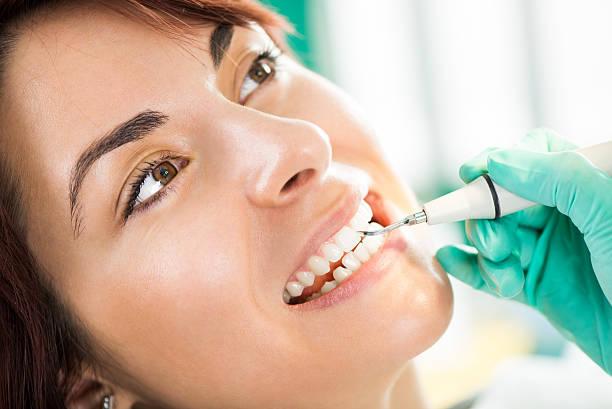
Plaque and tartar can gradually build up on the teeth even when you maintain a regular brushing routine. Teeth Cleaning in Dubai provides professional cleaning that focuses on removing these deposits from areas that may be difficult to reach at home. Keeping the teeth free from excessive buildup can support healthier gums, fresher breath, and better overall oral hygiene.
Plaque is a soft film of bacteria that develops naturally on tooth surfaces. When it remains on the teeth, it can become harder and eventually turn into tartar. Unlike plaque, hardened tartar cannot normally be removed effectively with a toothbrush, making professional dental cleaning an important part of preventive care.
What Is Dental Plaque?
Dental plaque is a thin, sticky layer that forms continuously in the mouth. It develops when bacteria interact with food particles and saliva. Plaque can collect around the gumline, between teeth, and on other surfaces that are not always easy to clean.
Regular brushing and cleaning between the teeth can remove much of this buildup. However, areas that are missed repeatedly may develop thicker deposits.
If plaque remains in place for too long, it can become harder and eventually mineralize into tartar.
Understanding Tartar Buildup
Tartar, also known as dental calculus, is hardened plaque that attaches firmly to tooth surfaces. It can appear near the gumline and may have a yellowish or brownish appearance depending on the buildup and staining.
Unlike soft plaque, tartar generally requires professional instruments for safe removal. Trying to scrape it away yourself can potentially injure the gums or damage the tooth surface.
Professional scaling is designed to remove these hardened deposits carefully while protecting the surrounding oral tissues.
Dental Clinic: Professional Plaque and Tartar Removal
A professional Dental Clinic has specialized instruments for removing plaque and tartar safely. During an appointment, the dental professional examines the teeth and gums to determine where deposits have accumulated.
Scaling is then performed to remove hardened buildup from the tooth surfaces and around the gumline. The amount of cleaning required can vary depending on the patient's oral hygiene, tartar accumulation, and gum condition.
After scaling, polishing may be performed to smooth the tooth surfaces and reduce certain external stains.
How Scaling Removes Tartar
Scaling is one of the main stages of professional teeth cleaning. The dental professional uses specialized instruments to carefully loosen and remove tartar from individual tooth surfaces.
Particular attention is usually given to the areas around the gumline, where tartar commonly develops. The professional works carefully to clean the tooth surfaces without causing unnecessary irritation.
Some patients may experience mild sensitivity during scaling, especially if they have sensitive teeth or significant gum inflammation. Informing the dental professional about any sensitivity before the appointment can help improve comfort.
Benefits of Removing Plaque and Tartar
Removing accumulated deposits can provide several oral health benefits. Cleaner tooth surfaces are easier to maintain through daily brushing and interdental cleaning.
Professional tartar removal can also help support healthy gums. Hardened deposits around the gumline can irritate the surrounding tissues, so keeping these areas clean is an important part of preventive oral care.
Removing plaque and tartar can also help reduce certain sources of unpleasant breath. Bacteria and trapped food particles may contribute to mouth odors, while professional cleaning helps remove accumulated deposits.
Another benefit is improved appearance. Scaling and polishing can remove certain surface stains and leave teeth looking cleaner.
Does Tartar Removal Hurt?
The experience varies between patients. Many people find routine scaling comfortable, while others may experience mild sensitivity, especially when there is heavy tartar buildup or sensitive teeth.
Gum inflammation can also make some areas more sensitive during cleaning. The dental professional can adjust the technique according to your comfort level and oral condition.
After the appointment, temporary sensitivity may occur in some cases. It generally improves as the teeth and gums adjust.
Why Home Care Is Still Important
Professional cleaning removes existing buildup, but plaque begins forming again naturally after the appointment. Daily oral hygiene is therefore essential for maintaining clean teeth.
Brushing twice a day with fluoride toothpaste can help control plaque on tooth surfaces. Cleaning between the teeth helps remove food particles and plaque from areas a toothbrush may not reach.
Using gentle brushing techniques and paying attention to the gumline can also support healthier gums.
Foods and Habits That Affect Plaque Buildup
Diet can influence how much plaque develops in the mouth. Frequently consuming sugary foods and drinks can provide bacteria with sugars that contribute to plaque formation.
Sticky foods may also remain on tooth surfaces for longer periods. Drinking water after meals can help rinse away some food particles and maintain a fresher mouth.
Coffee, tea, tobacco, and strongly colored foods may contribute to surface staining. Regular cleaning and good home care can help control some of these external deposits.
How Often Should Plaque and Tartar Be Removed?
The recommended frequency of professional cleaning differs from person to person. Some individuals may develop very little tartar, while others may accumulate it more quickly because of oral hygiene habits, tooth alignment, gum condition, or other factors.
Your dentist can examine your teeth and recommend a suitable cleaning schedule. Keeping regular appointments can help prevent excessive buildup from remaining on the teeth for long periods.
Final Thoughts
Removing plaque and tartar is an important part of maintaining good Teeth Cleaning habits and overall oral hygiene. Professional scaling can eliminate hardened deposits that daily brushing cannot remove, while polishing can help reduce certain surface stains. Combined with consistent brushing, interdental cleaning, healthy habits, and routine dental visits, professional cleaning can support healthier gums and a cleaner smile.

 Arabic
 French
 Spanish
 Portuguese
 Deutsch
 Turkish
 Dutch
Dutch
 Italiano
 Russian
 Romaian
 Portuguese (Brazil)
 Greek
Greek
