
Experts Predict Rapid Expansion in Mobile Payment Terminals Market
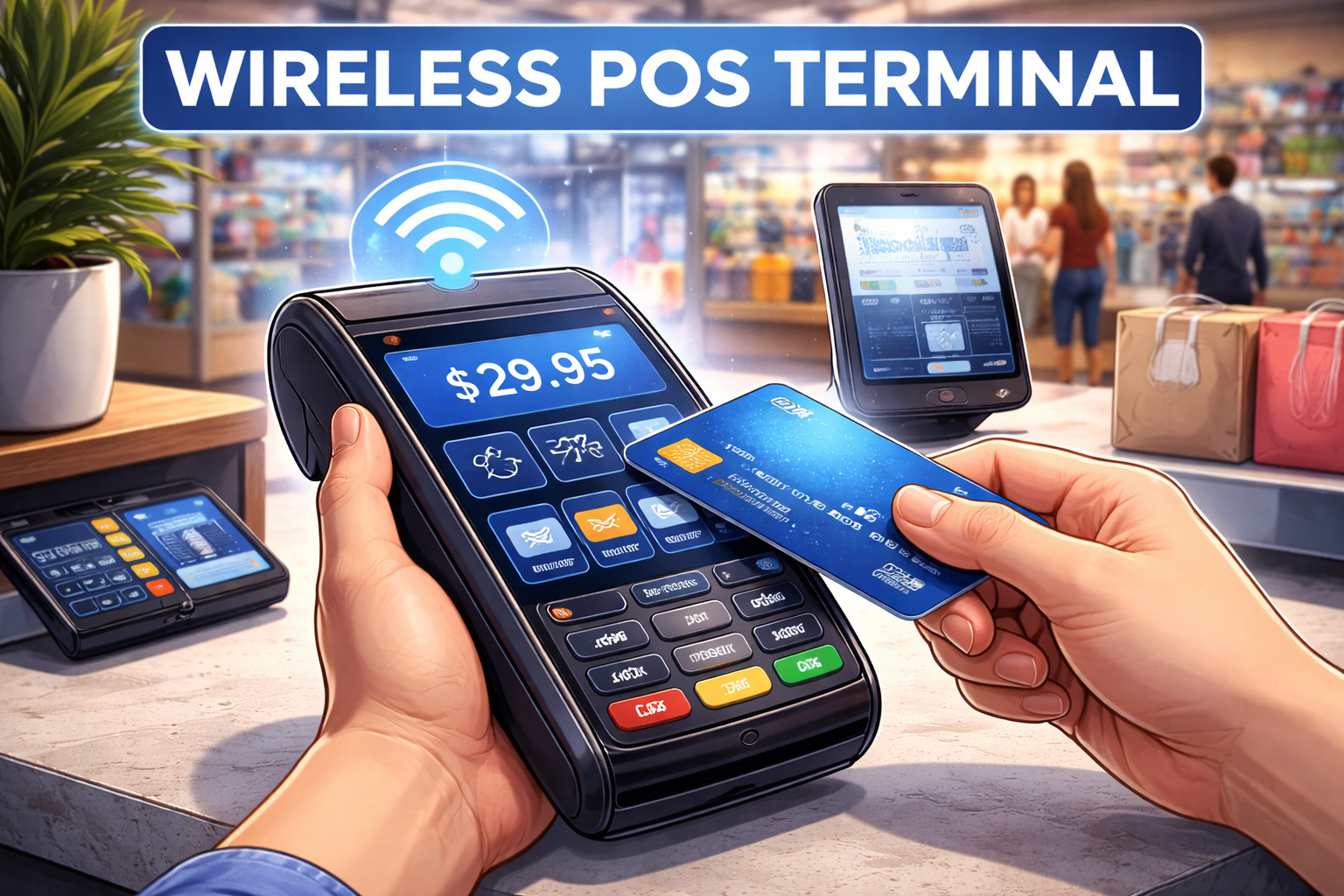
The evolution of mobile payment terminals is revolutionizing how consumers engage in transactions, with a remarkable projected growth rate of 11.29% CAGR leading to a robust market size of approximately $7.87 billion by 2035. This surge is fueled by the increasing trend towards contactless payment devices, allowing for faster, more efficient transactions in various sectors, from retail to hospitality. Mobile payment terminals are becoming indispensable as businesses worldwide adapt to the demands of digitally-savvy consumers. A notable shift is observed as establishments prioritize integrating solutions that facilitate seamless transactions, enhancing customer satisfaction while boosting operational efficiency. As such, the wireless POS terminal market is witnessing unprecedented dynamism, driven by evolving consumer preferences and technological enhancements that redefine traditional payment methods.
In the current landscape, the wireless POS terminal market is characterized by several key players pushing the boundaries of innovation. Leading market players include Verifone (US), Ingenico (FR), Square (US), Clover (US), PAX Technology (CN), SumUp (GB), Toast (US), Zettle (SE), and Worldline (FR). Each of these companies is at the forefront of developing robust mobile payment solutions that cater to diverse consumer needs. Recent advancements have seen the integration of advanced security features, ensuring that customer data is well-protected amid rising cyber threats. As retail payment solutions trends evolve, the emphasis on user-friendly interfaces and enhanced functionality is becoming paramount, with businesses looking to streamline payment processes while maintaining customer trust.
Several factors are contributing to the wireless payment terminals growth. First, the rise of mobile wallets has drastically reshaped consumer spending habits, providing users with more flexibility and convenience. This technology not only allows for quick transactions but also enhances the overall shopping experience. Additionally, the increasing demand for mobility in payment solutions is pushing companies to innovate continually. Portable POS systems are gaining traction due to their ability to facilitate transactions anywhere, making them highly suitable for small and medium-sized enterprises. Furthermore, security remains a top priority; businesses are increasingly investing in solutions that offer advanced encryption and fraud detection, ensuring their customers' personal information remains secure. However, challenges such as high initial investment costs for technology deployment and the need for continuous updates to maintain security standards could hinder market growth in certain regions.
Geographically, the mobile POS systems demand is surging in North America, where early adoption of technology and infrastructural readiness continue to dominate. Countries like the US and Canada are leading in terms of market penetration, with major retailers aggressively integrating mobile payment solutions into their operations. In contrast, the European market is also witnessing significant growth due to increasing consumer preferences for contactless payment methods. Notably, the Asia-Pacific region is emerging as a formidable player in the Wireless Pos Terminal Market, propelled by rapid urbanization and growing smartphone penetration among consumers. Countries like China and India are expected to drive substantial growth through increased investments in digital payment infrastructure and consumer education initiatives.
The global mobile payment transaction volume is projected to surpass $12 trillion by 2025, indicating a substantial shift in payment methods preferred by consumers. A report by Statista reveals that contactless payment adoption in the U.S. rose from 30% in 2019 to approximately 50% in 2022, demonstrating a clear trend towards mobile payment solutions. This transition is significantly influenced by the COVID-19 pandemic, which accelerated the shift towards contactless transactions as businesses sought to minimize physical contact. As a result, retailers that adapted quickly to integrate mobile payment options saw a notable increase in sales, with reports indicating a 20% uplift in revenue for those who offered mobile payment choices compared to those who did not.
The outlook for the wireless POS terminal market is filled with opportunities as businesses increasingly recognize the value of adopting advanced payment solutions. The rapid growth in e-commerce is another catalyst, with online retail outlets leveraging mobile payment terminals to enhance customer experiences and streamline checkout processes. A growing trend is the migration of traditional payment methods to integrated mobile platforms, driving efficiency in retail operations. Furthermore, integrating artificial intelligence in payment processing systems is poised to revolutionize the landscape by offering predictive analytics and personalized services. Such innovations will not only enhance operational efficiency but also improve customer engagement, leading to heightened loyalty and retention.
Looking towards 2035, the wireless POS terminal market is on a trajectory of significant transformation. With technological advancements paving the way for more robust and feature-rich payment solutions, businesses will increasingly invest in developing capabilities that align with consumer expectations. Experts predict that the market will reach a size of approximately $7.87 billion by this year, supported by the continued rise of mobile wallets and contactless payment options. Companies that prioritize innovation and adaptability will likely be the frontrunners in this evolving marketplace. As market dynamics continue to shift, understanding consumer behavior will be crucial for organizations aiming to capitalize on emerging opportunities.
AI Impact Analysis
Artificial Intelligence (AI) is significantly influencing the wireless POS terminal market by enhancing security and streamlining payment processes. Machine learning algorithms are being integrated into payment systems to detect fraudulent activities in real-time, providing businesses with the tools necessary to protect sensitive customer data. Moreover, AI-powered analytics enable companies to personalize their services, tailoring payment experiences based on consumer preferences and behavior. As AI continues to evolve, its application in mobile payment terminals is expected to become more sophisticated, driving further innovation in the sector.
Frequently Asked Questions
Access Customized Regional And Country Reports:
Germany Wireless Pos Terminal Market

 Arabic
 French
 Spanish
 Portuguese
 Deutsch
 Turkish
 Dutch
Dutch
 Italiano
 Russian
 Romaian
 Portuguese (Brazil)
 Greek
Greek