
IV Drip at Home for Simple Hydration Support
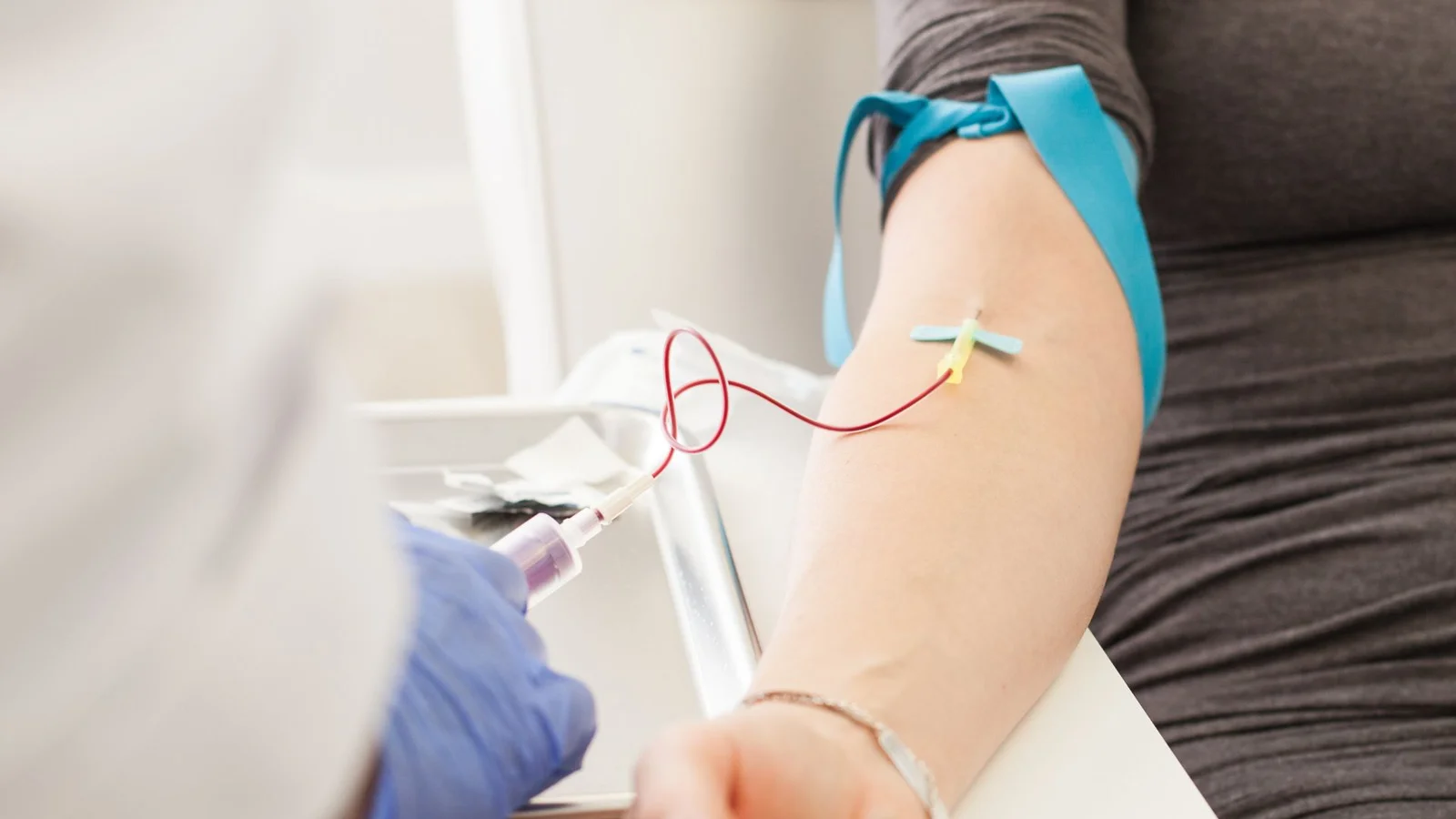
Maintaining proper hydration is important for everyday health, but some people may require professional support when oral fluid intake is not sufficient or intravenous treatment is clinically appropriate. IV Drip at Home offers a convenient option for suitable patients in Dubai who have been assessed by a qualified healthcare professional. Receiving treatment at home can reduce travel while allowing the patient to remain in a familiar environment.
For people who need healthcare support without making an unnecessary trip to a clinic, Doctor at home in Dubai services can provide professional assessment and guidance. A qualified healthcare professional can review the patient's condition, medical history, medications, and current needs before deciding whether home-based IV treatment is appropriate.
What Is IV Drip at Home?
IV Drip at Home is a service that allows intravenous fluids or other medically appropriate treatments to be administered at a patient's residence. A qualified healthcare professional performs the procedure using appropriate equipment and infection-control practices.
Intravenous fluids are delivered directly into a vein through an IV line. The type and amount of fluid should be selected according to the patient's individual clinical requirements.
Although receiving an infusion at home can be convenient, IV therapy remains a medical procedure. Proper assessment, administration, and monitoring are necessary to support patient safety.
Why Hydration Matters
Water and fluids play important roles in many normal body functions. Adequate hydration supports circulation, temperature regulation, and other physiological processes.
Most people can maintain hydration through regular fluid intake and a balanced diet. However, certain medical situations may affect a person's ability to consume or retain enough fluids.
When a healthcare professional determines that intravenous fluids are appropriate, an IV drip may be considered as part of the patient's care plan. The underlying cause of dehydration should also be addressed rather than relying only on fluid replacement.
When IV Hydration May Be Considered
The need for IV hydration depends on the patient's individual condition. A healthcare professional may consider intravenous fluids when oral hydration is inadequate or when there is a clinical reason for delivering fluids intravenously.
Not everyone who feels thirsty or tired requires an IV drip. Mild dehydration can often be managed with appropriate oral fluids, depending on the person's health and circumstances.
Professional assessment is therefore an important first step before arranging home IV therapy.
Professional Assessment Before Treatment
Before administering an IV drip, the healthcare professional should gather relevant information about the patient's health. This may include current symptoms, medical history, medications, allergies, and previous reactions to IV treatment.
The professional may also check relevant vital signs or other clinical information when necessary. This assessment helps determine whether the patient is suitable for treatment at home.
If the patient's condition requires diagnostic testing, emergency treatment, or closer medical observation, home IV therapy may not be the appropriate option.
Personalized Hydration Support
Hydration needs can vary significantly between individuals. Age, health conditions, medications, fluid loss, and other factors may affect what type of support is appropriate.
A personalized approach means that the healthcare professional considers these factors before selecting a treatment. The composition and volume of an infusion should not simply be chosen from a generic wellness menu.
This approach helps ensure that IV therapy is based on medical needs rather than assumptions.
Benefits of Receiving Treatment at Home
Home-based care can make appropriate healthcare more convenient. Patients may avoid travel, transportation arrangements, and waiting-room time when they are suitable candidates for treatment at home.
The familiar environment can also provide greater comfort and privacy during the appointment. Patients can remain at home before and after treatment instead of spending additional time traveling.
These benefits relate primarily to accessibility and convenience. They do not mean that home IV treatment is automatically more effective than treatment provided in a clinic.
Safe IV Administration
An IV line should be inserted and managed by an appropriately qualified healthcare professional. Correct technique and infection-control practices are essential because the procedure involves access to a vein.
During an IV Drip at Home, the healthcare professional should prepare the necessary equipment, establish the IV line, administer the prescribed treatment, and monitor the patient appropriately.
Patients should never attempt to administer IV therapy themselves or allow an unqualified person to perform the procedure.
Monitoring During the Infusion
Monitoring helps identify potential problems during treatment. Patients should communicate immediately if they experience unusual pain, swelling, redness, burning, dizziness, or other unexpected symptoms.
The healthcare professional can assess the situation and determine whether the infusion should continue, be adjusted, or stopped.
Good communication is particularly important during home treatment because patients should feel comfortable reporting any changes they notice.
Creating a Suitable Treatment Environment
Before a healthcare professional arrives, patients can prepare a clean and comfortable area for the appointment. The space should have adequate lighting and enough room for the professional to work safely.
Patients should also keep relevant health information available, including a list of medications and known allergies. Accurate information can help the professional make appropriate decisions.
During treatment, patients should remain as comfortable and still as possible while following the professional's instructions.
IV Drip at Home for Busy Lifestyles
Modern schedules can make it difficult to arrange healthcare appointments. Work commitments, family responsibilities, and transportation challenges may all affect access to care.
An IV Drip at Home can provide greater convenience for patients who have already been assessed and determined to be appropriate candidates for home IV treatment.
Instead of spending additional time traveling to a clinic, patients can receive suitable treatment in their residence. However, the medical need for IV therapy should always come before scheduling convenience.
Choosing a Professional Provider
Selecting an appropriate home healthcare provider is an important part of the process. Patients should look for services that use qualified healthcare professionals and follow proper safety and hygiene procedures.
It is reasonable to ask about the assessment process, treatment protocol, monitoring procedures, and how the provider responds to unexpected reactions.
A responsible provider should also explain that IV therapy is not necessary for every wellness concern and should avoid exaggerated promises about its effects.
When Home IV Treatment May Not Be Suitable
Home IV therapy is not appropriate for every health situation. Patients with severe or rapidly worsening symptoms may require urgent evaluation or hospital-based treatment.
Symptoms such as chest pain, severe difficulty breathing, unconsciousness, severe confusion, or other emergency warning signs should receive appropriate emergency medical attention rather than routine home IV care.
A qualified healthcare professional should make the final decision about whether treatment can safely take place at home.
Final Thoughts
Hydration is an important part of maintaining normal health, but intravenous treatment should only be used when medically appropriate. IV Drip at Home can provide convenient and professionally supervised hydration support in Dubai for suitable patients. A proper assessment, personalized treatment plan, qualified administration, infection-control practices, and appropriate monitoring all contribute to safer home IV care. The goal should always be responsible healthcare that meets the patient's actual needs rather than unnecessary treatment.

 English
 Arabic
 French
 Spanish
 Portuguese
 Deutsch
 Turkish
 Dutch
Dutch
 Russian
 Romaian
 Portuguese (Brazil)
 Greek
Greek
