
Smart Ideas for Creating a More Functional Garden
Start With the Property
A successful garden begins with understanding the space available. Sunlight, drainage, soil conditions, existing trees, walkways, and nearby structures can all influence plant selection and layout. Before adding new features, homeowners should consider how the yard is currently used and which areas need privacy, shade, color, seating, or improved visual balance.
Create a Practical Layout
A thoughtful arrangement can make an outdoor area easier to enjoy and maintain. Flower beds, shrubs, pathways, trees, and open lawn areas should complement one another instead of competing for space. Garden design services Dexter MI can help property owners develop an organized landscape plan that considers both appearance and the practical requirements of the property.
Choose Plants for Local Conditions
Plants should be selected according to sunlight, soil, moisture, seasonal temperatures, and available maintenance time. Choosing varieties suited to local growing conditions can reduce unnecessary stress on plants and make long-term care more manageable. A mixture of flowering plants, shrubs, ornamental grasses, and suitable trees can provide changing color and texture throughout different seasons.
Consider Soil Quality
Healthy soil provides an important foundation for successful planting. Compacted, depleted, or poorly draining soil can make it difficult for roots to develop properly. Before planting extensively, homeowners can evaluate soil conditions and improve them where necessary. Adding suitable organic material or addressing drainage concerns may create a more supportive environment for new vegetation.
Plan Around Existing Features
Established trees, fences, patios, retaining walls, driveways, and outdoor structures should be incorporated into the overall design whenever possible. Removing useful features is not always necessary to create a fresh appearance. Instead, new plantings can be positioned to frame existing elements or soften hard surfaces. This approach can help the finished landscape feel cohesive rather than newly assembled.
Think About Maintenance
An attractive garden should also be realistic to maintain. Homeowners should consider how much time they can dedicate to watering, pruning, weeding, fertilizing, and seasonal cleanup. Plants that require intensive care may not be appropriate for every property. Grouping plants with similar needs can simplify maintenance and make watering and other routine tasks more efficient.
Improve Lawn Integration
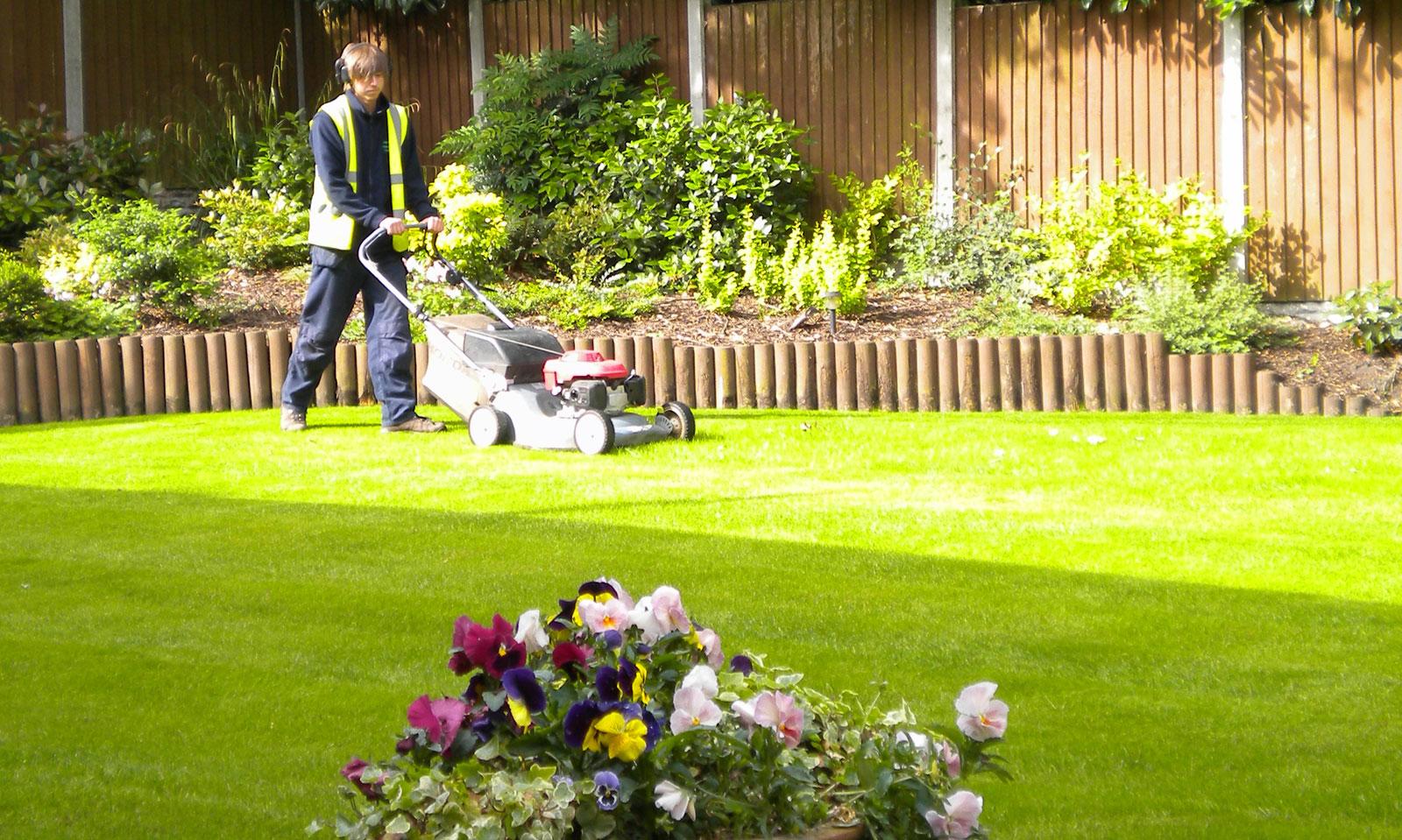
Garden beds should transition naturally into surrounding lawn areas. Clearly defined edges can prevent grass from spreading into planting beds while giving the landscape a cleaner appearance. The placement of beds should also leave enough room for mowing equipment to move comfortably. Lawn Care Services can support the surrounding turf through regular mowing, edging, fertilization, weed management, and seasonal maintenance.
Use Mulch Effectively
Mulch can provide both practical and visual benefits when applied correctly. It may help conserve soil moisture, moderate temperature changes, reduce weed growth, and create a finished appearance around plants. However, mulch should not be piled directly against tree trunks or plant stems. Choosing an appropriate material and maintaining a suitable depth can support healthier planting areas.
Manage Water Efficiently
Efficient watering is important for maintaining healthy gardens without wasting resources. Irrigation should provide sufficient moisture without creating consistently saturated soil. Drip systems, soaker hoses, or carefully positioned sprinklers may be useful depending on the landscape. Plants should also be grouped according to their water requirements so areas with different needs can be managed more effectively.
Create Useful Outdoor Zones
A garden can be designed around the activities that matter most to the household. Some homeowners may want a quiet seating area, while others may prefer space for entertaining, gardening, children, or pets. Dividing the landscape into functional zones can make the property more enjoyable while giving each portion of the yard a clear purpose.
Consider Privacy Naturally
Strategically placed plants can provide privacy without making a property feel enclosed. Trees, hedges, shrubs, and ornamental grasses can soften views from neighboring properties or nearby roads. The mature size of each plant should be considered before planting. Allowing enough space for future growth can prevent overcrowding and reduce the need for excessive pruning later.
Maintain Healthy Turf
A well-kept lawn can complement garden beds and make the entire property appear more organized. Regular mowing at an appropriate height, timely watering, seasonal fertilization, and weed control can support turf health. Damaged or thin areas may also require reseeding or other treatment. Lawn maintenance should be coordinated with garden care rather than handled as a completely separate concern.
Build a Landscape That Lasts
A successful outdoor space combines thoughtful planning with realistic maintenance. Suitable plants, balanced layouts, healthy soil, efficient watering, defined lawn areas, and seasonal care can all contribute to a landscape that remains attractive over time. By designing around the property's natural conditions and the household's daily needs, Dexter homeowners can create an outdoor environment that is enjoyable without becoming unnecessarily difficult to maintain.

 Arabic
 French
 Spanish
 Portuguese
 Deutsch
 Turkish
 Dutch
Dutch
 Italiano
 Russian
 Romaian
 Portuguese (Brazil)
 Greek
Greek
