
Making a Residential Move More Manageable
Start With a Moving Plan
Relocating to a new home involves many small tasks that can become overwhelming when handled at the last minute. Creating a moving plan gives homeowners a clear sequence for packing, organizing, transporting, and settling in. A simple timeline can also help identify important deadlines, arrange services, and provide enough time to deal with unexpected complications.
Pack According to Room
Keeping belongings grouped by room can make unloading significantly more organized. Kitchen items should remain together, while bedroom, bathroom, office, and living-area possessions can receive separate labels. Boxes should include clear descriptions of their contents and destination. This approach allows movers to place items where they belong instead of creating large piles throughout the new property.
Protect Valuable Furniture
Furniture can encounter scratches, dents, or other damage while being moved through doorways, hallways, stairs, and elevators. Tables, cabinets, sofas, and other larger pieces should be protected with suitable padding or wrapping. Items that can be safely disassembled may be taken apart beforehand, with screws and hardware stored in labeled containers.
Consider Building Access
Falls Church properties can include apartments, townhomes, single-family houses, and other residential arrangements, each with different access considerations. Stairs, narrow hallways, elevators, parking areas, and building policies may influence the moving process. Residents in managed buildings should confirm whether advance elevator reservations or specific moving hours are required before the scheduled date.
Organize the Loading Process
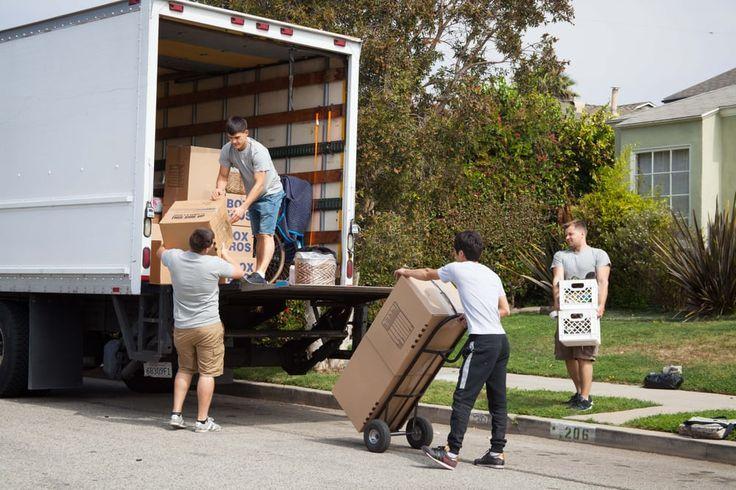
Moving Services in Falls Church VA can make relocation more manageable by handling tasks such as lifting, loading, transportation, and unloading. A well-organized loading process can also reduce unnecessary movement of belongings. Larger and heavier pieces can be positioned strategically, while fragile items and essential boxes should remain protected and accessible throughout transportation.
Protect Floors and Walls
Moving heavy furniture through a property can place floors, walls, railings, and doorframes at risk of accidental marks. Protective coverings can be used in areas where frequent movement is expected. Taking precautions before the first item leaves the house can help reduce avoidable damage and keep the property in better condition during a busy moving day.
Handle Fragile Items Carefully
Glassware, mirrors, artwork, electronics, lamps, and other delicate possessions require additional protection. Individual wrapping and suitable cushioning can help prevent items from shifting during transportation. Fragile boxes should not be overloaded, and their contents should be clearly identified. Valuable or particularly delicate belongings may require specialized handling depending on their size and construction.
Prepare Large Appliances
Refrigerators, washers, dryers, and other major appliances may require special preparation before transportation. Connections should be properly handled, removable components secured, and doors protected from opening during movement. Homeowners should follow manufacturer recommendations or have qualified professionals prepare certain appliances when necessary rather than attempting unfamiliar procedures immediately before a move.
Create an Unpacking Strategy
Unpacking becomes easier when the most important areas are handled first. Many households benefit from establishing bedrooms, bathrooms, and basic kitchen functions before opening decorative or less frequently used boxes. A room-by-room approach can prevent unnecessary clutter and provide a practical order for turning the new property into a comfortable living space.
Keep an Inventory
A basic inventory can help homeowners track boxes and valuable possessions. Numbering boxes and recording their general contents makes it easier to identify missing items after transportation. Photographs can also document the condition of valuable furniture or electronics before the move. Organized records provide useful information if questions arise after everything has been unloaded.
Choose a Reliable Moving Professional
When comparing moving companies, homeowners should consider experience, insurance, communication, available services, equipment, pricing structure, and customer feedback. A detailed estimate can clarify what is included in the service and whether additional charges may apply. Asking questions before signing an agreement helps ensure that expectations about packing, transportation, delivery, and other responsibilities are clearly understood.
Make the Transition Easier
A successful relocation depends on preparation, organization, careful handling, and clear communication. Sorting possessions early, protecting furniture, planning access, labeling boxes, and keeping essential items nearby can reduce unnecessary stress. With a structured approach and dependable professional assistance, homeowners can move into their new Falls Church residence with greater confidence and spend less time dealing with avoidable moving-day complications.

 English
 Arabic
 French
 Spanish
 Portuguese
 Turkish
 Dutch
Dutch
 Italiano
 Russian
 Romaian
 Portuguese (Brazil)
 Greek
Greek
