
Choosing the Right Care for Commercial Wood Floors
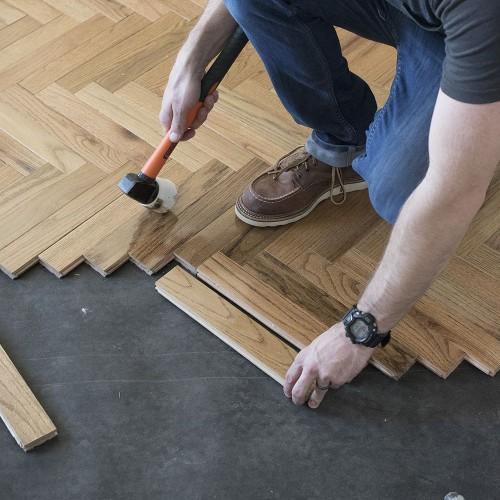
Understand Commercial Flooring Demands
Wood flooring in a commercial property experiences a different level of use than flooring in a private residence. Employees, customers, equipment, furniture, and regular foot traffic can gradually affect its appearance and condition. A proper maintenance strategy should account for how heavily each area is used, the type of wood installed, and the finish protecting the surface.
Evaluate the Existing Floor
Before starting maintenance or restoration work, the floor should be carefully examined. Scratches, dull patches, stains, loose boards, gaps, discoloration, and worn finishes can indicate different concerns. Commercial Wood Flooring Services in Spring Valley CA can address various flooring needs after the condition of the surface has been evaluated. Understanding the existing problems helps determine the most suitable treatment.
Protect High-Traffic Areas
Entrances, hallways, reception spaces, retail pathways, and common areas usually experience more wear than private rooms. Dirt and small particles carried by footwear can act as abrasives against finished wood surfaces. Strategic placement of entrance mats and regular removal of tracked-in debris can help reduce unnecessary wear and protect heavily traveled sections of the floor.
Keep Moisture Under Control
Wood and excessive moisture are not an ideal combination. Spills, wet cleaning equipment, leaks, and standing water can potentially affect boards or finishes when left untreated. Commercial properties should address spills promptly and investigate recurring moisture sources. Cleaning procedures should use controlled amounts of moisture appropriate for the specific flooring system and manufacturer's recommendations.
Address Surface Scratches
Minor scratches are common in busy commercial environments. Moving chairs, tables, displays, carts, and other equipment can leave marks across the finish. Some surface-level imperfections may be improved through appropriate maintenance or refinishing, while deeper damage may require more extensive work. The right solution depends on whether the damage affects only the finish or extends into the wood itself.
Restore a Dull Appearance
A wood floor can gradually lose its original luster even when it remains structurally sound. Frequent traffic, cleaning residue, and everyday abrasion may make the surface appear faded or uneven. Depending on the floor's condition, professional maintenance may include cleaning, buffing, recoating, or refinishing. These options can provide different levels of restoration without automatically requiring complete replacement.
Consider Refinishing When Necessary
When the existing finish has become heavily worn, refinishing may offer a way to renew the appearance of the floor. This process can involve preparing the surface, removing or smoothing the existing finish, addressing imperfections, and applying a new protective coating. The exact procedure depends on the wood species, floor construction, existing finish, and depth of damage.
Protect Furniture and Equipment
Commercial furniture can place concentrated pressure on wood flooring. Chairs, desks, cabinets, shelving, displays, and equipment may create scratches or indentation when moved incorrectly. Protective pads beneath suitable furniture can reduce direct contact with the floor. Employees should also avoid dragging heavy objects and should use appropriate moving techniques whenever furniture needs to be repositioned.
Maintain a Consistent Cleaning Routine
Regular cleaning helps prevent dirt from accumulating on the surface. Dust and loose particles should be removed with equipment appropriate for wood flooring, while spills should be addressed without unnecessary delay. Cleaning products should be selected carefully because harsh chemicals or excessive moisture can affect certain finishes. A consistent routine is generally more effective than occasional aggressive cleaning.
Match Care to the Finish
Different wood floors can have different protective coatings and maintenance requirements. Some may have factory-applied finishes, while others may have site-applied coatings or specialty treatments. Cleaning and restoration methods should therefore be based on the actual floor system rather than assumptions. Property managers should keep records of previous treatments whenever possible to help professionals select compatible products.
Plan Work Around Business Hours
Commercial flooring maintenance can temporarily affect access to certain rooms or walkways. Scheduling work during evenings, weekends, holidays, or other low-traffic periods may minimize disruption. Larger projects should be divided into practical sections when possible so businesses can continue operating. Management should communicate the expected schedule to employees and customers when access will be temporarily restricted.
Prepare the Workspace
Before flooring professionals arrive, furniture and movable equipment may need to be relocated from the treatment area. Valuable or sensitive items should be secured, while electrical equipment should be handled according to appropriate safety procedures. A clear workspace allows technicians to inspect the entire floor and work more efficiently without repeatedly moving unnecessary obstacles.
Consider Long-Term Maintenance
Wood Flooring Services can form part of a broader maintenance program rather than being used only when visible damage becomes severe. Periodic professional assessment can identify worn finishes, developing scratches, moisture concerns, or other problems before they become extensive. Combining professional care with daily maintenance can help commercial property owners protect their flooring investment over time.
Respond to Problems Early
Small flooring issues can sometimes become more complicated when ignored. A loose board, persistent moisture spot, expanding gap, or damaged finish deserves attention before surrounding materials are affected. Property managers should document recurring concerns and communicate them to flooring professionals. Early evaluation can help determine whether a localized repair or broader treatment is necessary.
Choose an Experienced Flooring Professional
Commercial flooring requires an understanding of both appearance and durability. When comparing providers, businesses should consider experience with wood floors, available restoration methods, scheduling flexibility, equipment, insurance, and project references. A detailed discussion about the property's traffic levels and flooring history can help professionals recommend an approach suited to the building rather than relying on a standard treatment.
Preserve the Floor's Professional Appearance
Well-maintained wood flooring can contribute to the visual character of an office, showroom, retail space, or other commercial property. Protecting high-traffic areas, controlling moisture, addressing scratches, maintaining suitable cleaning habits, and scheduling professional restoration when necessary can help preserve its condition. With thoughtful care, commercial wood flooring can remain attractive and functional while supporting a polished environment for employees and visitors.

 Arabic
 French
 Spanish
 Portuguese
 Deutsch
 Turkish
 Dutch
Dutch
 Italiano
 Russian
 Romaian
 Portuguese (Brazil)
 Greek
Greek
