
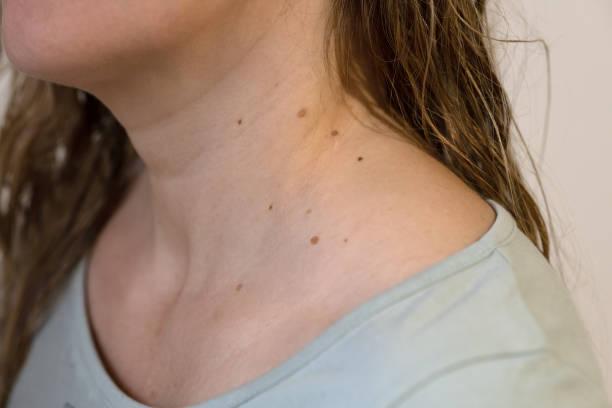
The removal of a mole marks a significant step toward clear skin and peace of mind, but the journey does not end when you leave the clinic. The days and weeks following the procedure are critical for proper healing, and professional checkups play an indispensable role in ensuring that recovery stays on track. Mole Removal in Riyadh For those who have undergone Mole Removal in Riyadh, follow-up appointments are not just a formality—they are a vital part of safeguarding both your health and the aesthetic outcome of your treatment.
The Critical First Follow-Up: Wound Assessment and Stitch Removal
The initial check-up, typically scheduled 1 to 2 weeks after the procedure, serves several important purposes . For patients who underwent surgical excision, this is often the appointment when sutures are removed . More importantly, this visit allows your dermatologist to closely examine the treated area to ensure it is healing correctly .
During this examination, your doctor will check for any early signs of complications, such as infection, excessive swelling, or abnormal scarring . Addressing these issues promptly can prevent setbacks, support optimal healing, and enhance the cosmetic results of your Mole Removal in Riyadh. This visit also provides an opportunity to adjust your care plan, whether it relates to pain management, wound care, or post-operative skin protection .
Pathology Results: The Key to Definitive Diagnosis
One of the most crucial aspects of a post-removal checkup is the discussion of pathology results. When a mole is removed, especially if there was any clinical concern, the tissue is sent to a laboratory for a biopsy . This microscopic examination is the only definitive way to determine if a mole was benign, precancerous, or malignant .
A follow-up appointment provides the ideal setting for your doctor to explain these results to you in detail . If the results are benign, you can have peace of mind. If they are malignant or indeterminate, this appointment is critical for discussing the next steps, which may include additional treatment . Even if you are not given a routine appointment, many clinics operate a "Patient Initiated Follow Up" (PIFU) system, allowing you to request an appointment if you have any concerns .
Long-Term Surveillance: Maintaining Healthy Skin
Having a history of mole removal often makes regular surveillance more important, not less . It indicates that your skin has a tendency to produce marks that require professional oversight . Post-procedure checkups are the foundation of a lifelong commitment to skin health .
During these regular checks, your dermatologist will not only monitor your scars but also examine the rest of your skin for new moles or changes to existing ones . These annual or semi-annual visits are essential for early detection of any new lesions . For those who have had Mole Removal in Riyadh, establishing a long-term monitoring routine is a proactive way to manage your health and provides enduring peace of mind as your skin matures . When you search for a "laser mole removal near me", it is wise to ask about the clinic's long-term follow-up protocols.
For those seeking expert guidance and customized aesthetic care, you can book an appointment consultation at the Enfield Royal Clinic.
Frequently Asked Questions
Why are follow-up appointments necessary after mole removal?
They allow your dermatologist to check for proper healing, remove stitches if needed, and discuss biopsy results to ensure the mole was completely and safely removed .
How soon after mole removal should I schedule a checkup?
The first follow-up is typically scheduled 1 to 2 weeks after the procedure, often for wound assessment and suture removal .
What if my mole was sent for a biopsy?
A follow-up appointment is essential for receiving and understanding your pathology results, which definitively confirm if the mole was benign or malignant .
How often should I have skin checks after mole removal?
Your dermatologist will recommend a frequency based on your personal risk. It could be annually, or more frequently (e.g., every 6 months) if you have a history of atypical moles or skin cancer .
What happens during a long-term skin check?
Your dermatologist will perform a full-body examination to monitor your surgical scars and check for any new moles or changes to existing ones, ensuring early detection of any potential issues .

 English
 Arabic
 French
 Spanish
 Portuguese
 Deutsch
 Turkish
 Italiano
 Russian
 Romaian
 Portuguese (Brazil)
 Greek
Greek
