
Chemical Peels in Islamabad: How They Can Refresh Dull and Tired-Looking Skin
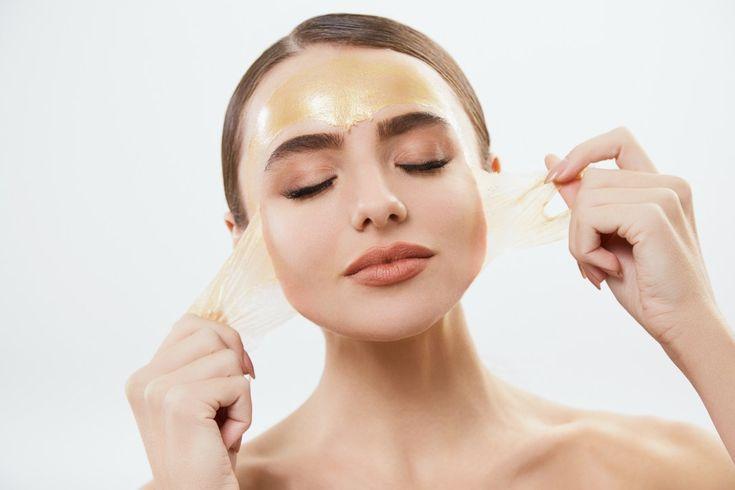
Dull, tired-looking skin can make your complexion appear uneven, rough, or less radiant than usual. Sun exposure, pollution, accumulated dead skin cells, acne, pigmentation, and natural aging can all contribute to a lackluster appearance. For people looking for a professional skin-refreshing option, Chemical Peels in Islamabad can be considered as part of a personalized skincare plan.
Chemical peels work by applying a carefully selected chemical solution to the skin to encourage controlled exfoliation and skin renewal. Depending on the type and strength of the peel, treatment may help improve brightness, texture, uneven skin tone, fine lines, and certain types of pigmentation.
How Chemical Peels Help Refresh Dull Skin
Dead skin cells can accumulate on the surface of the skin, contributing to a rough texture and dull appearance. A chemical peel removes controlled layers of damaged or unwanted surface cells, allowing newer skin to become more visible as the skin heals.
This process can make the complexion look smoother and brighter. Chemical peels may also be used for concerns such as some forms of acne, age spots, uneven pigmentation, melasma, rough skin, and sun damage.
Benefits of Chemical Peels for a Tired-Looking Complexion
One of the main attractions of chemical peels is their ability to address several visible skin concerns through exfoliation and skin renewal.
Potential benefits may include:
- A brighter and more refreshed complexion
- Smoother-looking skin texture
- More even skin tone
- Reduction in the appearance of some pigmentation
- Improvement in certain fine lines
- Help with some types of acne
- A healthier-looking overall appearance
Results vary according to the peel selected, individual skin characteristics, and the concern being treated. A professional assessment is important before deciding which treatment is appropriate.
Types of Chemical Peels
Chemical peels are generally classified according to how deeply they penetrate the skin. Light peels usually involve less downtime and may require a series of treatments. Medium peels penetrate deeper and generally involve more noticeable peeling and recovery. Deep peels affect deeper layers and require significantly more recovery time.
The appropriate option depends on factors such as skin type, sensitivity, pigmentation concerns, previous treatments, and desired results. A stronger peel is not automatically better; the goal is to choose an appropriate treatment for the individual's skin.
What Happens During a Chemical Peel?
Before treatment, the skin should be assessed and prepared according to the selected peel. During the procedure, the skin is cleansed before the chemical solution is carefully applied. The provider monitors the skin and removes or neutralizes the peel according to the treatment protocol.
Afterward, some redness, dryness, scaling, or peeling can occur. The amount of recovery depends on the depth of the peel. Light peels may involve relatively short recovery, while medium and deep peels require longer healing periods.
Chemical Peels for Pakistani Skin
People with darker or more pigmented skin can undergo chemical peels, but treatment selection requires particular care. Inappropriate strength, technique, or aftercare may increase the risk of pigmentation changes.
The American Academy of Dermatology recommends choosing a dermatologist experienced in performing chemical peels on darker skin tones.
This is particularly important for people concerned about pigmentation or uneven skin tone. A consultation can help determine whether a chemical peel is suitable or whether another treatment may provide a safer or more appropriate approach.
Aftercare and Sun Protection
Proper aftercare plays an important role in protecting the skin while it heals. Patients should follow their provider's instructions regarding moisturizers, cleansers, and other skincare products. Picking or scratching peeling skin should be avoided because it can increase the risk of infection and scarring.
Sun protection is also essential. Once the skin has healed, daily sunscreen can help protect the results and reduce additional sun-related pigmentation.
Are Chemical Peels Safe?
Chemical peels can be safely performed when the appropriate treatment is selected and administered by a trained professional. However, side effects can include redness, temporary changes in pigmentation, irritation, and, rarely, scarring. The risk of complications can increase when aftercare instructions are ignored or when unsuitable products are used.
DIY or unsupervised strong chemical peels should be avoided. The American Academy of Dermatology notes that some at-home chemical peels have caused serious injuries and recommends professional supervision.
Frequently Asked Questions
Can a chemical peel make dull skin look brighter?
Yes. By removing controlled layers of damaged surface cells and encouraging skin renewal, chemical peels can improve the appearance of dullness and create a brighter-looking complexion.
How many chemical peel sessions are needed?
The number of sessions depends on the type of peel and your skin concerns. Some light peels may require multiple sessions to achieve the desired improvement, while deeper peels may require fewer treatments.
Is there downtime after a chemical peel?
Downtime varies. Light peels may cause redness and scaling for several days, while medium and deep peels can require substantially longer healing periods.
Are chemical peels suitable for darker skin tones?
They can be, but careful treatment selection is important because darker skin tones may be more susceptible to pigmentation changes. An experienced professional should evaluate the skin before treatment.
Can I use skincare products immediately after a peel?
Not necessarily. Your provider may recommend temporarily avoiding certain active ingredients and following a gentle skincare routine while the skin heals. Always follow the specific aftercare instructions provided for your peel.
Final Thoughts
A chemical peel can be a useful option for people who want to improve dullness, uneven tone, rough texture, and other visible signs of skin damage. Chemical Peels in Islamabad should be approached as a personalized treatment rather than a one-size-fits-all procedure. A professional skin assessment can help determine the appropriate peel, expected recovery, and suitable aftercare for your individual needs.

 Arabic
 French
 Spanish
 Portuguese
 Deutsch
 Turkish
 Dutch
Dutch
 Italiano
 Russian
 Romaian
 Portuguese (Brazil)
 Greek
Greek
