
HIV Test: Symptoms and Screening Options
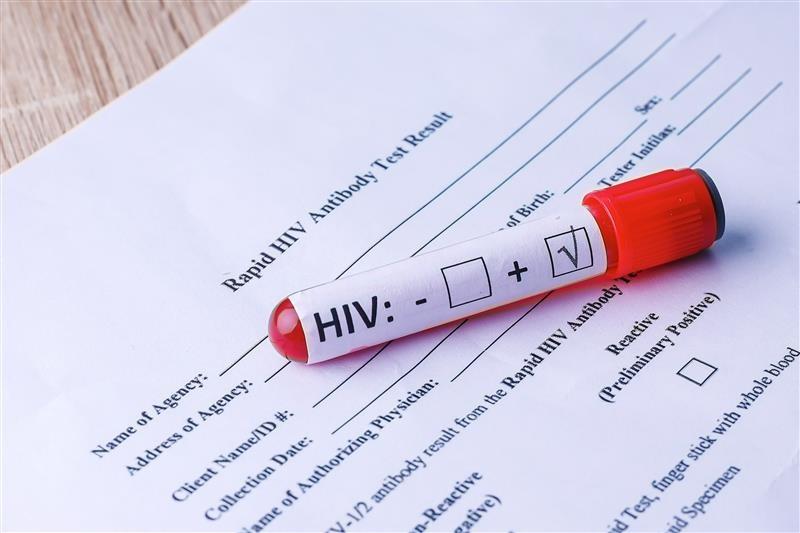
HIV can affect people differently, and some individuals may not experience noticeable symptoms. This is one reason why an HIV Test in Dubai can be important for anyone who has concerns about possible exposure. Symptoms alone cannot confirm or rule out HIV infection because many common illnesses can cause similar signs.
Some people may experience flu-like symptoms during the early stage of HIV infection, while others may have no symptoms at all. Testing is the appropriate way to determine HIV status.
Why Is HIV Screening Important?
HIV screening can identify infection even when a person feels healthy. A person may have HIV without knowing it, so relying on physical symptoms can delay testing.
Early diagnosis can allow appropriate medical care and help a person understand the steps available for managing their health.
Can HIV Cause Early Symptoms?
Some people may develop symptoms after HIV infection, while others do not. Possible early symptoms can include fever, tiredness, sore throat, swollen lymph nodes, headache, or a skin rash.
These symptoms are not specific to HIV and can occur with many other conditions. Therefore, symptoms should not be used as a substitute for HIV testing.
STD Test in Dubai and HIV Screening
An STD Test in Dubai may include HIV screening along with tests for other sexually transmitted infections. The exact tests included depend on the screening package and healthcare provider.
If you have experienced a possible exposure, tell your healthcare provider when it occurred. This can help determine which HIV test is most appropriate.
What HIV Screening Options Are Available?
Several HIV testing methods are available. The most suitable option depends on factors such as the reason for testing and the time since possible exposure.
Fourth-Generation HIV Test
A fourth-generation HIV test detects both HIV antibodies and the p24 antigen. Because it looks for two types of markers, it can detect infection earlier than many antibody-only tests.
Laboratory-based fourth-generation testing generally uses a blood sample.
HIV Antibody Test
An HIV antibody test detects antibodies produced by the immune system in response to HIV infection.
Because antibodies take time to develop, testing too soon after exposure may not detect a recent infection.
HIV RNA Test
An HIV RNA test looks for HIV genetic material in the blood. It may be considered in specific circumstances, particularly when very recent infection is suspected.
A healthcare professional can determine whether this type of testing is appropriate.
What Is the HIV Window Period?
The window period is the time between possible exposure and when a particular HIV test can reliably detect infection.
Different HIV tests have different detection windows. A test performed too early may produce a negative result even when infection is present.
Why Does the Window Period Matter?
The timing of testing can affect how a result should be interpreted. If a test is performed during the window period, repeat testing may be recommended.
This is why it is important to tell your healthcare provider when the possible exposure occurred.
How Is an HIV Blood Test Performed?
A laboratory HIV blood test usually involves collecting a small blood sample from a vein in the arm. The sample is then sent to a laboratory for analysis.
The blood collection process is generally quick, and most HIV blood tests do not require fasting unless other tests performed at the same time have separate requirements.
What Does a Negative HIV Test Mean?
A negative result generally means that the test did not detect the HIV markers it was designed to identify.
However, if testing occurred shortly after possible exposure, the result may need to be interpreted in relation to the window period. Additional testing may be recommended.
What Does a Reactive HIV Test Mean?
A reactive screening result means that HIV-related markers were detected and further evaluation is required.
A reactive screening result is not automatically a confirmed HIV diagnosis. Additional testing may be needed to confirm or clarify the result.
Can You Have HIV Without Symptoms?
Yes. HIV can be present without noticeable symptoms. Some people may feel completely healthy despite having an infection.
This is why HIV screening is important when there has been a possible exposure or when testing is recommended by a healthcare professional.
When Should You Consider an HIV Test?
You may consider HIV testing after a possible exposure, as part of sexual health screening, or when advised by a healthcare professional.
If the possible exposure was recent, discuss the timing with your provider so they can recommend an appropriate testing method and follow-up schedule.
What Happens After HIV Screening?
After the sample is tested, the healthcare provider or testing facility provides the result. The result should be interpreted according to the test used and the timing of testing.
If the result is reactive, additional testing may be necessary. If the result is negative but testing occurred during the window period, repeat testing may also be recommended.
Final Thoughts
HIV symptoms can vary considerably, and some people may have no symptoms at all. If you are concerned about possible infection, an HIV Test in Dubai can provide more reliable information than relying on symptoms. Understanding the available screening methods, window period, blood testing, and result interpretation can help you make informed decisions about your sexual health.

 English
 Arabic
 French
 Spanish
 Portuguese
 Deutsch
 Dutch
Dutch
 Italiano
 Russian
 Romaian
 Portuguese (Brazil)
 Greek
Greek
