
Modern Accessory Ideas for a Beautiful and Inviting Home
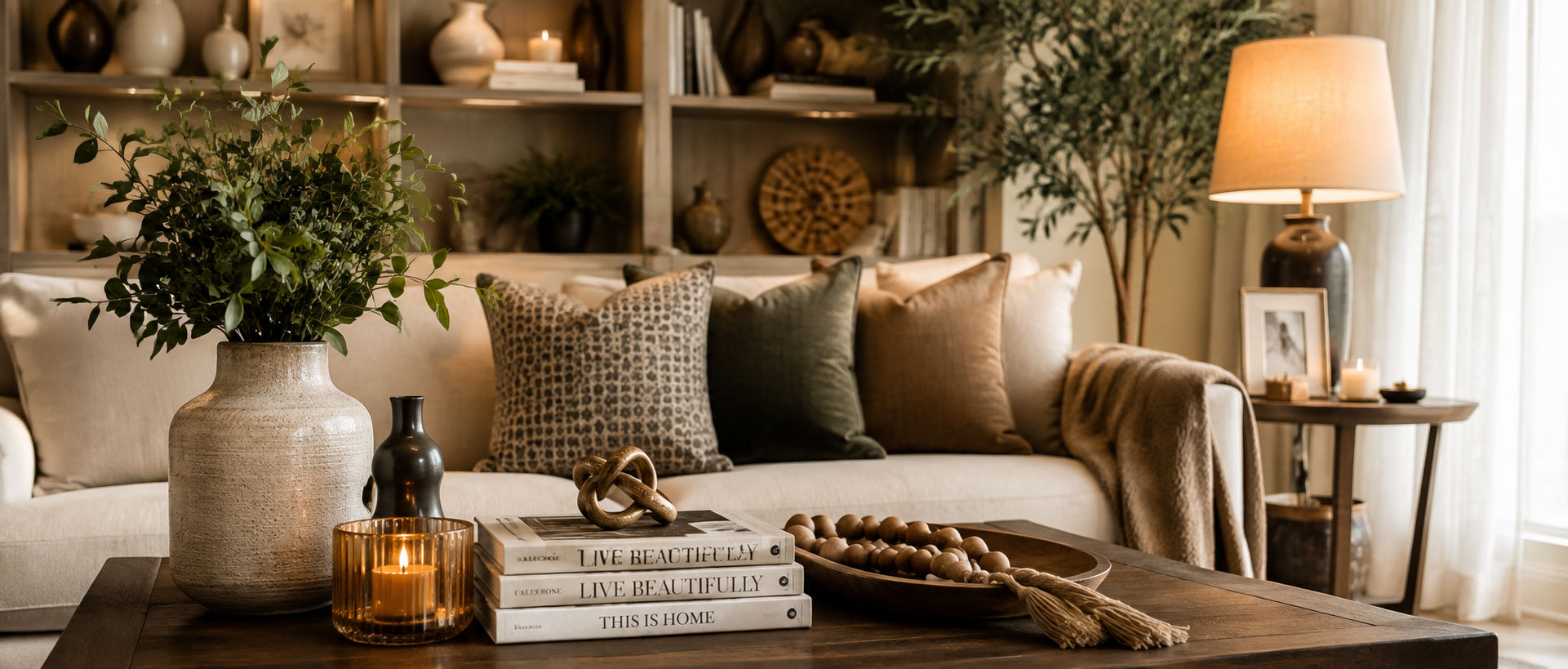
Interior design is a deeply transformative art form that turns simple physical structures into welcoming environments filled with comfort, charm, and personal character. Walking into a thoughtfully styled home instantly evokes a sense of harmony, where every individual component contributes to a cohesive aesthetic narrative. While architectural features like hardwood flooring, exposed brick, and high ceilings establish the baseline environment, the true emotional warmth of a living space stems from the deliberate choices made during the final decorating stages.
Many homeowners invest significant time and resources into selecting major foundational furniture items such as sofas, dining tables, sectional seating, and bed frames. Although these large pieces establish the layout and primary functionality of each room, relying on furniture alone often leaves interior spaces feeling cold, uninviting, or strikingly incomplete. A room filled solely with foundational furniture lacks the intricate layers, subtle color shifts, and varied tactile surfaces that turn an ordinary house into an extraordinary retreat.
When aiming to harmonize functionality with aesthetic beauty, incorporating high quality home accessories becomes the single most effective way to elevate any living space. Whether refreshing a cozy city apartment or outfitting an expansive family estate, carefully selected decorative accents bridge the gap between large scale furniture and overall interior harmony. Brands like Sagebrook Home offer an extensive portfolio of design forward accents that empower homeowners, decorators, and interior designers to curate environments that feel rich, sophisticated, and authentically unique.
The Role of Accent Pieces in Interior Design
Accent pieces serve as the artistic punctuation marks of interior architecture. Just as jewelry completes an outfit, decorative objects, sculpted ceramic vases, metal trays, and handcrafted bowls complete a room. They draw the eye across a space, establish focal points, and introduce intriguing visual conversations between contrasting elements. Without decorative accents, even the most expensive designer furniture can appear flat and detached from the human experience.
To successfully utilize accent pieces, one must appreciate the value of material diversity. Incorporating a mix of natural mango wood sculptures, smooth paper mache forms, glazed ceramics, metallic candle holders, and clear glass jars creates an engaging environment that invites tactile exploration. When light hits different surfaces across a room, it interacts with matte wood finishes, gleaming metals, and translucent glass in distinct ways, producing a dynamic play of shadow and reflection that enriches the entire space.
The team at Sagebrook Home understands this interplay of materials and styles, curating collections that span contemporary modern, relaxed coastal, elegant chinoiserie, and transitional aesthetics. By selecting pieces that resonate with your personal design story, you can transform ordinary flat surfaces into captivating visual moments. An artfully carved wooden sculpture placed on a side table or a set of textured ceramic bowls arranged on an entryway console instantly signals attention to detail and elevated taste.
Principles of Balance Scale and Proportion
Mastering interior decoration requires a firm understanding of visual balance, scale, and proportion. Visual weight refers to how much attention an object attracts based on its size, color, density, and texture. A heavy black marble urn possesses significantly more visual weight than a glass vase of identical dimensions. Achieving balance within a room involves arranging items so that no single area feels overwhelmingly heavy or sparse.
Proportion dictates how objects relate to one another and to the surrounding architecture. A tiny decorative box lost on a massive eight foot coffee table creates a jarring sense of imbalance, just as an oversized sculptural object placed on a delicate nightstand feels intrusive. To achieve harmony, group items using the established design rule of thirds. Arranging decorative objects in odd numbered groups, particularly sets of three, creates a natural visual cadence that pleases the human eye.
When styling console tables, mantels, or display cabinets, experiment with varying heights and silhouettes. Pair a tall, slim pillar candle holder with a medium sized rounded vase and a low profile catchall tray. This triangular composition encourages the eye to move fluidly across the arrangement rather than stalling on a single flat plane. Integrating versatile collections from Sagebrook Home allows designers to effortlessly combine pieces of differing scales to create balanced compositions throughout the home.
Transforming Blank Walls with Art and Mirrors
Empty walls represent vast canvases full of creative potential. Leaving walls entirely bare can make a living room or hallway feel unfinished and echoing, whereas overloading them with disorganized frames creates visual confusion. Striking the ideal balance involves selecting high impact wall art, sculptural wall decor, and strategically positioned decorative mirrors that reinforce the overall room theme.
Mirrors are among the most powerful tools in an interior designer arsenal. Beyond their obvious practical function, large mirrors amplify natural light and visually expand spatial boundaries. Placing a large paper mache or carved wooden frame mirror directly opposite a window reflects outdoor views and bounces ambient light deep into darker corners. This optical effect makes compact rooms feel noticeably airier and more spacious while adding a grand architectural presence.
Complementing mirrors with curated wall art adds emotional depth and color harmony to living spaces. Whether you prefer bold abstract canvases, framed botanical prints, or three dimensional textured wall sculptures, wall decor establishes the emotional tone of the room. When hanging art above sofas, credenzas, or bed headboards, ensure the artwork spans roughly two thirds to three quarters of the furniture width. Hanging art at average eye level keeps the visual focus natural and grounded.
Tabletop Styling Strategies for Coffee Tables and Shelves
Surface styling on coffee tables, bookshelves, sideboards, and mantels offers an ideal opportunity to showcase personal style through layered display techniques. The key to successful tabletop arrangement is combining beauty with practical utility. A coffee table should remain functional for daily living while serving as an attractive central vignette in the living room.
Begin coffee table styling by dividing the surface into grid zones or using a decorative tray to anchor smaller items. A structured tray holds scattered pieces together, turning several small objects into a single cohesive visual unit. Inside or beside the tray, layer books of varying sizes, topping them with a small handcrafted sculpture, a decorative bowl, or a set of hurricane glass candle holders. Adding an organic element, such as fresh florals or a sleek ceramic vase filled with dried botanicals, introduces life and natural movement to the arrangement.
Bookshelf and étagère styling demands a thoughtful balance between open space and curated decor. Avoid packing every shelf with dense rows of books. Instead, alternate between vertical book stacks, horizontal book displays topped with decorative bookends or small objects, and standalone sculptural pieces. Leaving intentional negative space on each shelf allows individual decor items to breathe and prevents the display from looking cluttered.
Combining Lighting and Textiles for Ambiance
Lighting and textiles form the atmospheric foundation of any elegant interior. Lighting does far more than illuminate a room it shapes mood, highlights architectural details, and accentuates the colors and textures of surrounding decor. A well designed room incorporates three distinct layers of lighting: ambient overhead lighting, focused task lighting, and subtle accent lighting.
Table lamps and floor lamps act as functional sculptures that bring warmth to living rooms, bedrooms, and home offices. A table lamp featuring an artisan ceramic base or an intricately crafted metal body serves as an eye catching decor accent even during daylight hours when turned off. When illuminated at dusk, the soft glow casts gentle highlights across nearby wall art, wooden trays, and decorative bowls, creating an inviting evening atmosphere.
Pairing strategic lighting with luxurious home textiles completes the sensory experience. Throw blankets, decorative accent pillows, and area rugs introduce soft textures that contrast beautifully with hard surfaces like polished stone, metal, and solid wood. Drape a rich knit throw over an armchair, pair textured throw cushions on the sofa, and position a stylish lamp nearby to create a cozy reading nook that radiates warmth and understated sophistication.
Curating Seasonal Decor for Year Round Elegance
A truly captivating home evolves naturally throughout the changing seasons without requiring a total redesign every few months. Transitioning your decor seasonally allows you to refresh your living environment, celebrate the natural rhythms of the year, and maintain an engaging home space year round. During spring and summer, emphasize lightness, fresh greenery, and luminous accents. Swap out heavy textiles for breathable linens, and display bright floral arrangements in clear glass or pale ceramic vases. Incorporate natural wood trays, coastal inspired accents, and lighter color palettes that catch summer sunlight. These subtle updates infuse rooms with renewed energy and effortless vitality.
As autumn and winter approach, shift the interior focus toward cozy warmth and rich atmospheric depth. Introduce deeper color tones, warm metallic candle holders, polished brass accents, and textured wood sculptures. Displaying pillar candles inside glass hurricanes on the dining table or fireplace mantel instantly creates an inviting setting for cool autumn evenings and holiday gatherings. By relying on versatile, timeless foundational pieces from Sagebrook Home, you can easily transition your decor across seasons by simply updating accent colors, greenery, and glowing candle elements.
Frequently Asked Questions
How do I choose the right size decor for a coffee table?
Selecting coffee table decor depends on the table dimensions and shape. As a general guideline, decor arrangements should not exceed one third of the overall table surface area to ensure plenty of functional room remains for daily use. Keep decorative objects relatively low in height, typically under twelve inches, so that conversation lines across the living room remain unobstructed. Using a central tray helps consolidate smaller items like candle holders and small bowls into an organized footprint.
What is the rule of three in interior styling?
The rule of three is a foundational design principle suggesting that items arranged in odd numbers are more visually appealing, memorable, and balanced than even numbered groupings. When styling shelves, mantels, or tabletop surfaces, grouping three items of varying heights, shapes, and textures creates a dynamic visual triangle. For instance, pairing a tall ceramic vase, a medium sized sculpture, and a low decorative bowl creates a harmonious composition that captures attention naturally.
How can decorative mirrors make a small room look larger?
Decorative mirrors visually enlarge small spaces by reflecting light and creating the illusion of extended depth. When hung opposite windows or near primary light sources, mirrors bounce natural daylight across the room, illuminating dark corners and making ceilings feel higher. Choosing large framed mirrors, such as full length leaners or oversized round mirrors, creates an optical sense of an open architectural doorway, transforming cramped areas into bright, spacious environments.
What are the best materials for modern home accents?
Modern home accents benefit from a rich combination of diverse materials that blend organic warmth with sleek contemporary finishes. Handcrafted mango wood, raw teak, glazed ceramics, and paper mache bring earthy textures and natural elegance into a room. Complementing these organic elements with brushed metals, blown glass, and polished marble adds refined contrast, ensuring your decor feels balanced, sophisticated, and multidimensional.
How often should I rotate or update my decor accents?
Rotating decor accents seasonally, roughly three to four times a year, keeps your living space feeling fresh, inspiring, and aligned with changing weather and holidays. You do not need to replace major pieces; simply swapping out minor elements like vases, decorative bowl fillers, throw pillow covers, and mantle displays creates a noticeable transformation. Rotating items between different rooms also breathes new life into existing pieces without requiring constant new purchases.
Conclusion
Creating a beautiful, harmonious living space is an ongoing journey of curated choices rather than a single static project. By understanding how to balance visual weight, layer rich material textures, and select meaningful accents, you can transform any house into a refined personal retreat. Foundational furniture establishes spatial structure, but the deliberate addition of artful objects, lighting, mirrors, and tabletop decor brings authentic warmth, character, and luxury to everyday life.

 English
 Arabic
 French
 Spanish
 Portuguese
 Deutsch
 Turkish
 Dutch
Dutch
 Italiano
 Romaian
 Portuguese (Brazil)
 Greek
Greek
