
Physical Therapy Athens GA: Your Guide to Better Movement and Recovery
Understanding the Role of Physical Therapy
Physical movement affects nearly every part of daily life. Walking, working, exercising, lifting, climbing stairs, and enjoying recreational activities all depend on strength, flexibility, coordination, balance, and endurance. When an injury, surgery, weakness, stiffness, or inactivity interferes with these abilities, normal routines can become more difficult.
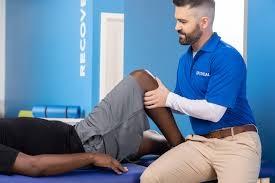
Physical therapy provides a structured approach to restoring and improving physical function. Treatment can combine therapeutic exercises, mobility activities, progressive strengthening, flexibility work, balance training, coordination exercises, and functional movement. A rehabilitation program can be adjusted as an individual's abilities improve.
Starting With an Individual Evaluation
Every person's physical needs are different. Someone recovering from an injury may want to return to work, while an athlete may be preparing to resume training. Another individual may simply want to walk, climb stairs, or perform household activities more comfortably.
An initial assessment can help identify physical strengths and limitations. Depending on the situation, a therapist may evaluate muscle strength, joint mobility, flexibility, balance, posture, coordination, endurance, and functional movement patterns. This information can help establish appropriate rehabilitation goals.
Exploring Physical Therapy Athens GA
Individuals researching Physical Therapy Athens GA can explore rehabilitation resources focused on improving mobility, strength, balance, and functional performance. Depending on personal needs, treatment may involve therapeutic exercise, progressive resistance training, stretching, mobility work, balance activities, coordination exercises, and functional training. A qualified physical therapist can help create an approach based on the individual's condition, lifestyle, activity level, and goals.
Restoring Mobility and Flexibility
Mobility limitations can affect many everyday activities. Bending, reaching, turning, walking, sitting, standing, and getting into a vehicle may become more difficult when joints or muscles are restricted.
Physical therapy may incorporate appropriate mobility exercises to help address these challenges. Flexibility activities can complement mobility work, while strengthening can help provide greater control during functional movements.
Building Strength Gradually
Strength is essential for daily independence and physical performance. Carrying groceries, lifting objects, climbing stairs, standing from a chair, and walking longer distances all require adequate muscular capacity.
Progressive strengthening allows exercises to match the person's current abilities. Resistance, repetitions, positioning, and movement complexity can be gradually modified as strength and tolerance develop.
Supporting Athletes and Active Adults
People searching for Physical Therapy Athens GA may include athletes, runners, cyclists, hikers, gym participants, walkers, and recreational sports enthusiasts. Returning to these activities following an injury often requires gradual preparation.
Rehabilitation can focus on the physical qualities required for specific activities. Depending on individual goals, treatment may address strength, endurance, stability, balance, flexibility, coordination, and controlled movement.
Improving Balance and Stability
Balance helps individuals maintain control while standing, walking, turning, stepping, and navigating different surfaces. Stability can also be important during sports and recreational activities.
When appropriate, therapy may incorporate progressively challenging balance exercises. Activities can begin with controlled movements and become more demanding as coordination, strength, and confidence improve.
Understanding Posture and Body Mechanics
Daily routines can influence posture and movement habits. Sitting for long periods, driving, standing, lifting, and performing repetitive tasks can affect how the body handles physical demands.
Physical therapy may include education about posture and body mechanics. Developing greater awareness of movement can complement therapeutic exercises and encourage more efficient performance of everyday tasks.
Making Rehabilitation Functional
Functional training connects exercises with practical activities. Rather than focusing only on isolated movements, therapy can incorporate patterns similar to tasks performed at home, work, or during recreation.
Depending on personal goals, functional activities may include walking, reaching, lifting, carrying, stepping, squatting, or changing positions. These movements can be modified and progressed according to individual ability.
Supporting Recovery After Injury or Surgery
An injury or surgical procedure can temporarily affect strength, mobility, flexibility, endurance, and confidence. Some individuals may also feel uncertain about when they can safely resume certain activities.
A structured rehabilitation program can gradually introduce appropriate movements and physical demands. The pace and intensity should be individualized and guided by an appropriate healthcare professional.
Incorporating Home Exercise
Physical therapy may include exercises that individuals complete at home between appointments. A home program can reinforce goals related to strength, flexibility, mobility, balance, or coordination.
Consistent participation can complement supervised sessions and reinforce movement skills. Individuals should follow professional instructions and communicate unexpected or worsening symptoms with their healthcare provider.
Preparing for Work and Daily Responsibilities
Different jobs require different physical capabilities. Some occupations involve prolonged sitting, while others require standing, walking, lifting, carrying, climbing, or repetitive movements.
Rehabilitation can take these requirements into account when appropriate. Practicing relevant functional movements can help connect therapy with the activities an individual expects to perform at work and home.
Returning to Favorite Activities
Many people pursue rehabilitation because they want to return to activities they enjoy. These may include walking, running, swimming, cycling, hiking, fitness training, or recreational sports.
A gradual progression can help rebuild the physical qualities required for these activities. The appropriate progression depends on individual circumstances, goals, and professional recommendations.
Choosing a Local Rehabilitation Provider
When considering Physical Therapy Athens GA, individuals may look for a provider that emphasizes personalized evaluation, progressive treatment, functional goals, and clear communication. A comprehensive approach can address several areas of physical performance, including strength, mobility, flexibility, balance, coordination, and endurance.
Discussing personal goals during an evaluation can also help make rehabilitation more relevant. Work demands, exercise preferences, hobbies, and household responsibilities can all influence treatment priorities.
Measuring Meaningful Progress
Progress can be reflected through practical improvements rather than a single symptom. A person may walk farther, climb stairs more comfortably, lift objects with better control, maintain balance, or return to an activity that was previously difficult.
For individuals considering Physical Therapy Athens GA, setting realistic functional milestones can make progress easier to recognize. These goals provide a connection between therapeutic exercises and meaningful everyday outcomes.
Maintaining Results After Rehabilitation
Completing formal therapy does not necessarily mean physical activity should stop. Appropriate movement can help support strength, mobility, flexibility, balance, and endurance over time.
Walking, approved strengthening exercises, stretching, and recreational activities can become part of a sustainable routine. Long-term activity should be appropriate for the individual's abilities and goals.
Conclusion
Physical therapy can provide structured support for individuals experiencing movement limitations related to injury, surgery, stiffness, weakness, or reduced physical conditioning. Through personalized assessment, therapeutic exercise, progressive strengthening, mobility training, flexibility work, balance activities, and functional rehabilitation, individuals can address multiple aspects of physical performance. With appropriate professional guidance and consistent participation, rehabilitation can support a gradual return to work, exercise, daily responsibilities, and recreational activities while encouraging stronger and more confident movement.

 Arabic
 French
 Spanish
 Portuguese
 Deutsch
 Turkish
 Dutch
Dutch
 Italiano
 Russian
 Romaian
 Portuguese (Brazil)
 Greek
Greek
