
How Parchment Paper Helps Maintain Perfect Baking Temperature
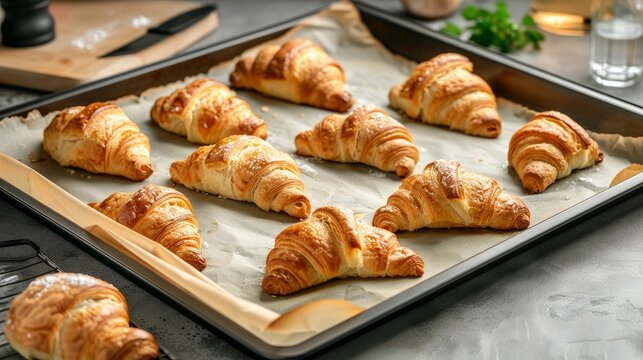
Achieving the perfect baking temperature is one of the most important factors in successful baking. Even small variations in heat distribution can affect texture, color, and flavor. Professional kitchens rely on parchment paper because it helps create a more controlled baking environment.
When food sits directly on metal trays, the surface may heat faster than the surrounding air in the oven. This uneven heating can cause cookies or pastries to burn on the bottom while remaining undercooked on top.
A protective baking liner acts as a barrier between the tray and the food. By reducing direct heat exposure, it allows baked goods to cook more evenly and maintain their ideal structure.
Understanding Parchment Paper and Its Heat-Resistant Design
Parchment paper is made from specially treated cellulose fibers that undergo a manufacturing process to increase strength and heat resistance. The paper is often coated with silicone, which creates a non-stick surface suitable for baking and roasting.
This coating allows food to release easily after cooking. It also prevents oils and sugars from bonding with metal trays, reducing sticking and burning during baking.
Because of its heat tolerance and food-safe coating, parchment sheets are widely used in both home kitchens and professional bakeries.
Why Temperature Control Matters in Baking
Baking is a process driven by controlled heat transfer. Ingredients such as flour, sugar, butter, and eggs react differently depending on temperature levels in the oven.
If heat reaches the bottom of baked goods too quickly, the base may burn before the interior cooks properly. This can result in uneven texture and inconsistent baking results.
Using a baking liner slows the transfer of heat from the tray to the food. This helps stabilize temperature exposure and supports uniform cooking throughout the baking process.
Benefits of Using Baking Liners for Temperature Stability
Key advantages in temperature control
- Reduces direct heat contact between food and baking trays
- Helps distribute oven heat more evenly
- Minimizes hot spots that cause burning
- Supports consistent texture in baked goods
- Protects delicate pastries and cookies
These benefits explain why baking liners are commonly used in both commercial kitchens and home baking environments.
Heat Distribution and Even Baking Results
How baking liners improve heat flow
- Creates a thin thermal barrier between tray and food
- Slows heat transfer from metal surfaces
- Allows oven air circulation to cook food evenly
- Prevents rapid overheating on the bottom surface
- Supports balanced browning during baking
Balanced heat distribution is essential for achieving consistent baking color and texture.
Common Baking Situations Where Liners Improve Temperature Control
When temperature stability is most important
- Baking cookies that burn easily on tray bottoms
- Preparing delicate pastries or puff pastry layers
- Roasting vegetables that require even browning
- Baking cakes where smooth surfaces are needed
- Cooking fish or meat using wrapped baking methods
In these situations, temperature stability can significantly affect the final quality of the dish.
Comparison of Baking Surfaces and Heat Performance
Different baking surfaces influence how heat travels through food during cooking.
|
Baking Surface |
Heat Transfer |
Non-Stick Ability |
Typical Use |
|
Metal tray only |
Fast direct heat |
Low |
Roasting meats |
|
Parchment paper |
Moderate controlled heat |
High |
Cookies and pastries |
|
Silicone baking mat |
Slow heat transfer |
High |
Reusable baking |
|
Aluminum foil |
Fast heat reflection |
Low |
Grilling or roasting |
Understanding these differences helps cooks choose the best baking surface for temperature-sensitive recipes.
Role of Baking Liners in Professional Kitchens
Commercial bakeries prepare large quantities of baked goods daily. Consistency is essential because each batch must match the previous one in color, texture, and quality.
Baking liners allow chefs to maintain stable baking conditions across multiple trays. By reducing heat concentration on metal surfaces, they help produce uniform results during high-volume baking.
Restaurants also rely on liners to simplify tray cleaning and reduce preparation time between batches.
Practical Tips for Maintaining Stable Oven Temperature
Stable oven temperature depends on both equipment and preparation methods. Using the correct baking surface is one part of this process.
Always preheat the oven before placing trays inside. A stable starting temperature ensures that baked goods begin cooking evenly from the first minute.
Avoid overcrowding trays with ingredients. Proper spacing allows hot air to circulate freely around the food during baking.
Choosing the Right Baking Surface for Consistent Results
Selecting the right baking liner can significantly influence baking performance. High-quality parchment sheets should remain flat, resist grease, and tolerate typical oven temperatures used for baking.
Commercial kitchens often purchase parchment sheets in bulk from specialized suppliers to ensure consistent quality across baking operations.
When used correctly, parchment paper becomes a reliable tool for maintaining balanced baking temperatures and improving food preparation efficiency.
Conclusion
Successful baking depends on consistent heat control and proper preparation methods. When food is exposed directly to hot metal trays, uneven heat transfer can cause burning or inconsistent cooking.
By creating a protective barrier between the tray and the food, parchment paper helps regulate heat exposure and improve baking performance.
Whether used in home kitchens or professional bakeries, baking liners play an essential role in maintaining stable temperatures and producing evenly baked results.
Frequently Asked Questions
How does parchment paper help with baking temperature?
Parchment paper creates a barrier between the baking tray and food, reducing direct heat exposure and helping maintain even cooking.
Can parchment paper prevent burning during baking?
Yes. The paper distributes heat more evenly and minimizes hot spots that often cause food to burn.
What temperature can parchment paper handle?
Most parchment sheets tolerate oven temperatures between 420°F and 450°F, depending on the manufacturer.
Does parchment paper affect baking time?
In most recipes, baking time remains the same because parchment primarily improves heat distribution rather than reducing temperature.
Is parchment paper better than greasing a baking tray?
Yes. It provides a non-stick surface and improves heat control without adding extra oil or butter.

 Arabic
 French
 Spanish
 Portuguese
 Deutsch
 Turkish
 Dutch
Dutch
 Italiano
 Russian
 Romaian
 Portuguese (Brazil)
 Greek
Greek